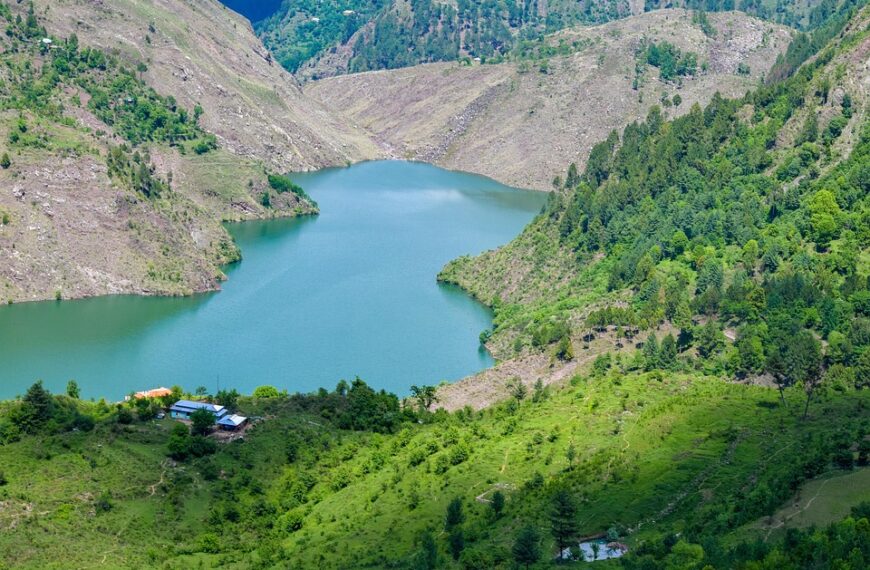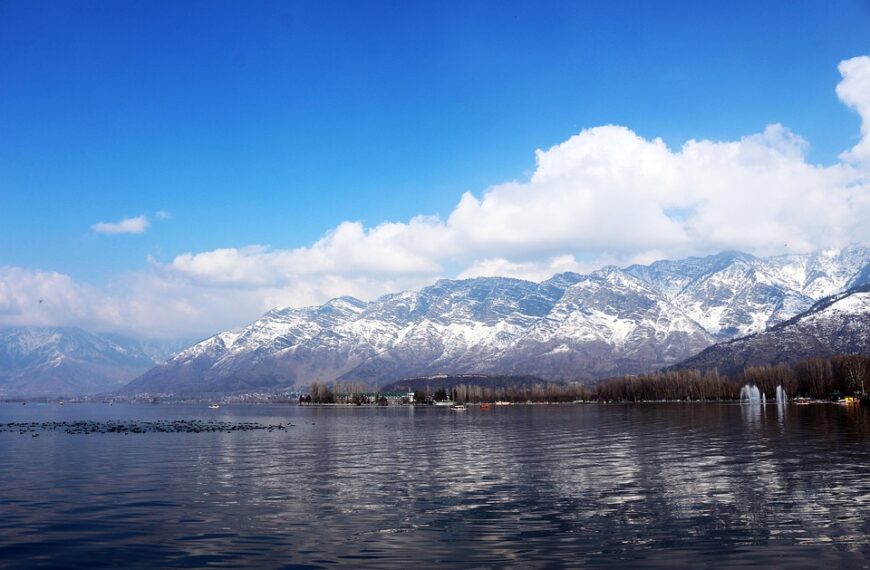

Nestled in the heart of Jammu and Kashmir, Dal Lake is often referred to as the “Jewel of Srinagar.” Its enchanting landscape, rich history, and cultural significance make it a must-visit destination for travelers seeking solace and beauty in nature. The lake is renowned not just for its breathtaking views but also for the unique lifestyle that has evolved around it.
Geographical Overview
Dal Lake covers an area of approximately 18 square kilometers. It is surrounded by the majestic Himalayan Mountains and is fed by several small streams. The lake is particularly famous for its houseboats and Shikaras—traditional wooden boats that offer visitors a unique way to explore its tranquil waters. The vibrant floating gardens, known as “wanus,” showcase a variety of flowers and vegetables cultivated by local farmers.
A Historical Perspective
The history of Dal Lake dates back several centuries. It has been a significant location for poets, artists, and travelers since the Mughal era. Mughal emperors were particularly enamored with the lake, often coming to enjoy its serene ambiance. The natural beauty of the lake served as an inspiration for many artists and writers, making it a symbol of serenity and peace.
Activities to Enjoy
1. Shikara Rides
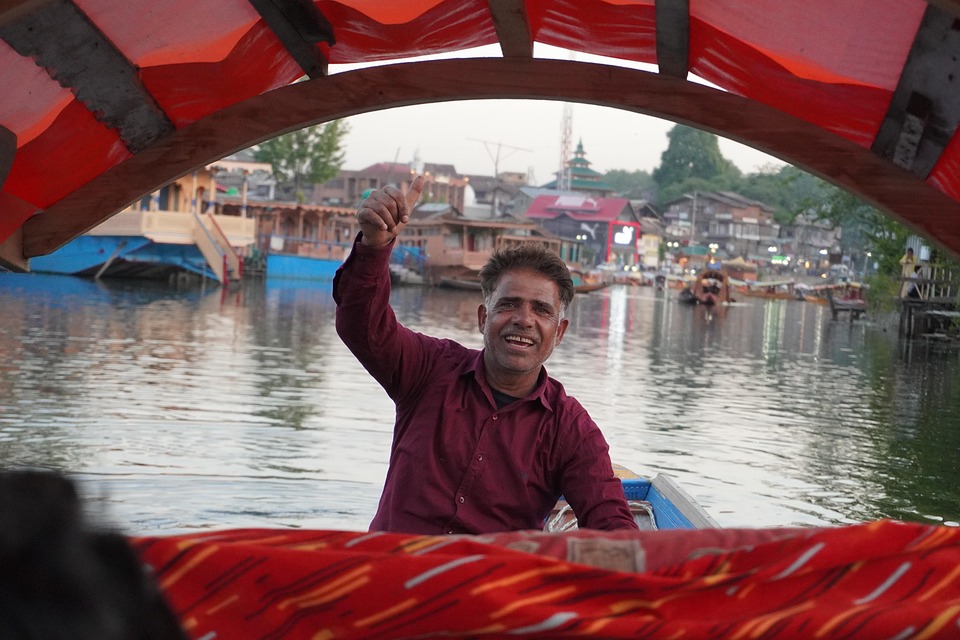
No visit to Dal Lake is complete without a Shikara ride. These beautifully crafted wooden boats glide smoothly over the water, providing visitors with stunning views of the surrounding landscape. Early morning rides are particularly serene, with the mist rising off the water and the sun casting a golden hue over the mountains.
2. Houseboat Stays
For a truly unique experience, staying on a houseboat offers an intimate and cozy way to connect with nature. Houseboats on Dal Lake are equipped with modern amenities while retaining their traditional charm. Wake up to the soothing sounds of water lapping against the boat and enjoy your morning tea while taking in the serene views.
3. Exploring Floating Gardens
The floating gardens of Dal Lake are a marvel of sustainable living. These gardens are constructed using a unique method that allows farmers to cultivate fruits, vegetables, and flowers on floating islands made of vegetation and soil. Visiting these gardens gives travelers insight into the unique agricultural practices of the region.
4. Photography
With its stunning landscapes and vibrant colors, Dal Lake is a photographer’s paradise. Capture the reflections of the mountains on the water, the lively colors of houseboats, and the intricate designs of shikaras. The changing seasons offer diverse scenery, making it a captivating subject for all types of photographers.
The Cultural Significance
Dal Lake is a melting pot of cultures, and its beauty is intertwined with the heritage of Jammu and Kashmir. Local artisans create exquisite handicrafts, which are readily available in markets around the lake. Visitors often have the opportunity to witness traditional performances, including Kashmiri music and dance, which further enrich the experience of being on the lake.
Environmental Concerns
Despite its breathtaking beauty, Dal Lake faces several environmental challenges. Rapid urbanization and pollution have impacted the water quality and the lake’s ecosystem. Efforts are being made by local authorities and environmentalists to preserve this natural jewel, ensuring that future generations can enjoy its beauty and serenity.
Best Time to Visit
The ideal time to visit Dal Lake is during the spring and summer months, from March to August. The weather is pleasant, and the blooming flowers create a picturesque setting. Autumn (September to November) also offers stunning views as the leaves change color, providing a different yet equally beautiful experience.
Travel Tips
- Book houseboats and Shikara rides in advance, especially during peak tourist season.
- Respect local customs and traditions while visiting.
- Carry light woolens, as the temperature can dip in the evenings even during summer.
- Consider taking a guided tour for deeper insights into the culture and history of the area.
Conclusion
Dal Lake stands as a testament to the timeless beauty and serenity of nature. Its shimmering waters, breathtaking views, and rich cultural heritage create an experience that captivates the hearts of all who visit. Whether you’re seeking adventure, artistic inspiration, or a peaceful escape, Dal Lake offers an oasis of tranquility in a bustling world. As it continues to inspire travelers, it remains a cherished part of the landscape and culture of Jammu and Kashmir.
FAQs
1. Is Dal Lake safe for tourists?
Yes, Dal Lake is generally considered safe for tourists. However, it’s always advisable to be aware of your surroundings and to travel in groups when possible.
2. What are the main attractions around Dal Lake?
Besides the lake itself, attractions include Nishat Bagh, Shalimar Bagh, and the Pari Mahal. These gardens are known for their beauty and historical significance.
3. Can I rent a Shikara without hiring a guide?
Yes, you can rent a Shikara without a guide. However, hiring a guide can enhance your experience, providing insights into the local culture and history.
4. What should I pack for a trip to Dal Lake?
Pack comfortable clothing, light woolens, a camera, sunscreen, and any personal medication you might need. Don’t forget a hat and sunglasses!


 By
By