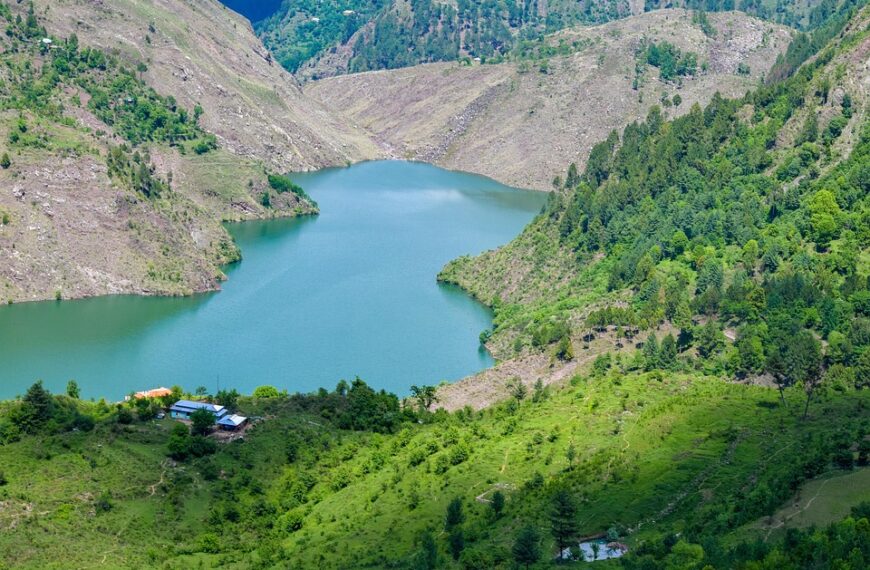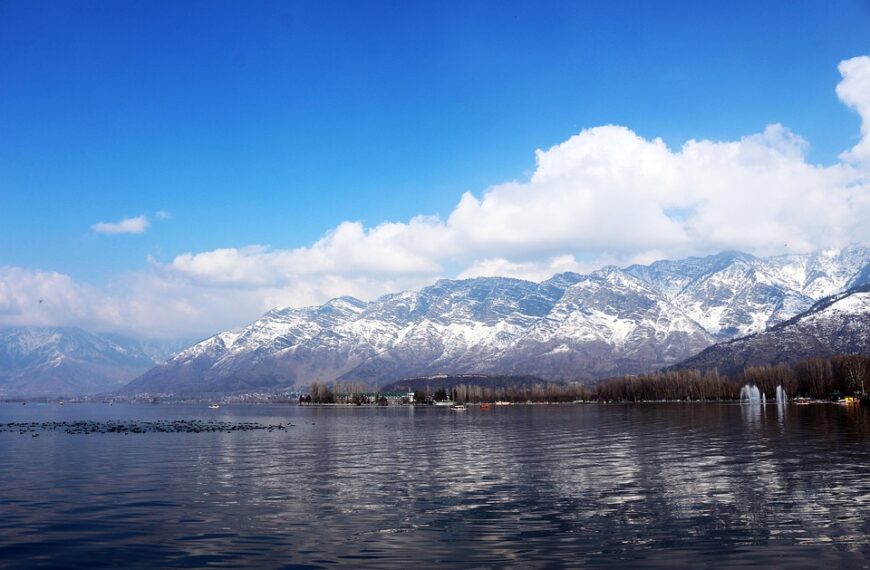

Kashmir, often referred to as “Paradise on Earth,” has a rich history marked by a profound cultural heritage. The region witnessed its Golden Age during the medieval period, particularly from the 14th to the 16th century, characterized by a flourishing of art, literature, music, and philosophy. This period was heavily influenced by various factors, including the arrival of Sufism, the integration of diverse cultures, and a patronage system that encouraged artistic endeavors.
The Socio-Political Landscape
The Golden Age of Kashmir was intricately tied to its political dynamics. The establishment of the Shahi dynasty in the 9th century laid the groundwork for a prosperous society. However, the real transformation began in the 14th century with the advent of Muslim rule, notably under the Sultanate of Kashmir. Notable rulers like Zain-ul-Abidin, often referred to as the “Robin Hood of Kashmir,” played an instrumental role in promoting cultural and social developments. He sought to integrate different communities, leading to a unique confluence of Hindu and Muslim traditions.
The Influence of Sufism
One of the defining elements of this era was the rise of Sufism, a mystical branch of Islam that emphasized love, tolerance, and a personal connection with the Divine. Sufi saints, like Shah-e-Hamadan, were influential in spreading Islamic thought among the local populace. Their teachings encouraged artistic expression, fostering an environment where poets and artists thrived. This era marked an enhanced dialogue between different faiths and philosophies, enriching the cultural tapestry of Kashmir.
Literature and Poetry
Kashmir’s literary tradition flourished during this period, with significant contributions from both Muslim and Hindu poets. The Persian language gained prominence, becoming the lingual medium for poets like FAiz Ahmed Faiz, who penned verses celebrating love, nature, and spirituality. The works of poets such as Lal Ded, a revered Kashmiri women mystic, and the legendary poetess Habba Khatoon also echoed the region’s cultural richness.
Visual Arts
The visual arts during Kashmir’s Golden Age saw remarkable advancements. The intricacy of Kashmir’s wood carving and the craftsmanship of Pashmina weaving became legendary. Artists used vibrant colors to depict themes ranging from nature to spirituality, often drawing inspiration from the beautiful landscape of Kashmir. Miniature painting also received prime attention, influenced by Persian styles yet embodying unique local elements.
Architecture
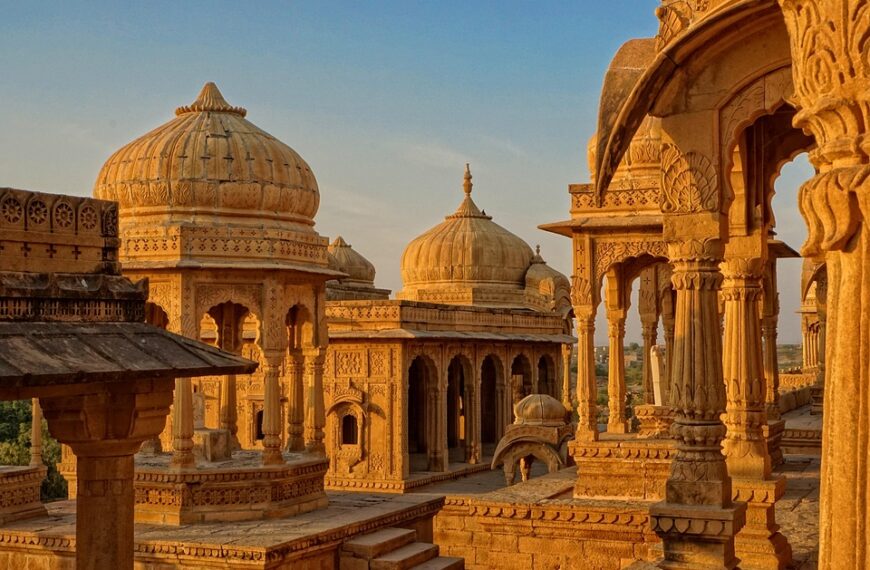
The architectural achievements of the time are noteworthy. The construction of magnificent mosques, shrines, and gardens showcased a blend of Persian and Indian styles. The most celebrated structure, the Jamia Masjid in Srinagar, embodies this architectural fusion. Additionally, the famous Shankaracharya Temple stands testimony to Kashmir’s enduring spiritual legacy, reflecting the harmonious coexistence of diverse faiths.
Music and Dance
Kashmir’s Golden Age also flourished in the realms of music and dance. Traditional instruments like the Rabab and Santoor became prominent, and music served as a medium for expressing spiritual and cultural sentiments. The region’s dance forms, including Rouf and Hafiz Nagma, became integral to social gatherings, celebrating the rich heritage of Kashmir.
Decline and Legacy
Despite its remarkable achievements, Kashmir’s Golden Age did not last indefinitely. The arrival of the Mughals in the late 16th century marked a period of transformation that led to the gradual decline of the autonomous cultural identity. However, the legacy of this Golden Age remains etched in the collective memory of Kashmir. The rich traditions in art, literature, and spirituality continue to inspire generations and attract scholars from around the world.
Conclusion
Kashmir’s Golden Age serves as a reminder of the region’s incredible cultural heritage, marked by a unique blend of traditions, philosophies, and artistic expressions. The flourishing of literature, art, and spiritual discourse created a vibrant society that embraced diversity and fostered creativity. Today, as Kashmir navigates its complex socio-political landscape, the echoes of its Golden Age remind its people and the world of their remarkable historical legacy and cultural richness.
Frequently Asked Questions (FAQs)
1. What led to the cultural flourishing of Kashmir during the medieval period?
The cultural flourishing was attributed to the patronage of rulers, the influence of Sufism, and the integration of various communities, leading to a synthesis of different cultural expressions.
2. Who were some notable figures from Kashmir’s Golden Age?
Notable figures include Sultan Zain-ul-Abidin, the poet Lal Ded, and Sufi saint Shah-e-Hamadan, each contributing significantly to Kashmir’s cultural landscape.
3. What impact did Sufism have on Kashmir’s culture?
Sufism emphasized love and tolerance, facilitating artistic expression and fostering dialogue between different religions, ultimately enriching the region’s cultural fabric.
4. How did architecture reflect the cultural synthesis of the time?
Kashmir’s architecture showcased a blend of Persian and Indian styles, evident in the construction of mosques, temples, and gardens that represented the harmonious coexistence of diverse traditions.
5. What is the legacy of Kashmir’s Golden Age today?
The legacy is reflected in Kashmir’s contemporary art, literature, and spiritual practices, continuing to inspire both locals and scholars worldwide.

 By
By