
Kashmir, often referred to as “Paradise on Earth,” has a rich and varied history that dates back thousands of years. This idyllic region nestled in the northern part of the Indian subcontinent has been shaped by the influence of numerous rulers, dynasties, and cultures. Each of these epochs has left its mark on Kashmir’s art, architecture, and way of life. This article provides an overview of Kashmir’s royal heritage and the dynasties that have governed this beautiful land.
Historical Background
The history of Kashmir can be traced back to ancient texts and scriptures like the Mahabharata and the Rajatarangini, written by the historian Kalhana in the 12th century. Kashmir has been ruled by various dynasties, each contributing to its cultural tapestry.
The Early Kingdoms
The earliest known ruler of Kashmir was Gonanda I, a figure from ancient mythology believed to have established the Gonanda dynasty. Following this, several local kingdoms emerged, each leaving behind archaeological and textual evidence of their governance.
- Hindu Shahis (9th – 11th Century): This dynasty is significant for promoting Hinduism and for its advancements in art and architecture. Kings like Lalitaditya Muktapida are celebrated for their contributions to the region.
- Utpala Dynasty (8th – 10th Century): This dynasty is known for its Buddhist influences, promoting the spread of Buddhism throughout the region.
The Islamic Era
The arrival of Islam in Kashmir during the 14th century marked a transformative period in its history. The Shah Mir dynasty was the first Muslim dynasty to rule Kashmir, and it played a significant role in the conversion of many locals to Islam.
- Shah Mir Dynasty (14th – 15th Century): Jahangir, a prominent king of this dynasty, was known for his administrative skills and cultural patronage.
- Tughlaq Dynasty (15th Century): This dynasty oversaw the building of many mosques and gardens that are now part of Kashmir’s heritage.
The Sultanate Period
The Sultanate period from the 15th to the 16th centuries was characterized by notable rulers like Zain-ul-Abidin, known for his enlightened policies and tolerance towards different faiths. He is often referred to as “Budshah” or the “Great King” and is credited with laying the foundation for a syncretic culture in Kashmir.
- Zain-ul-Abidin introduced numerous reforms that improved the lives of his subjects, including irrigation projects and patronage of art and literature.
Impact of the Mughal Empire
Kashmir came under Mughal rule in the 16th century, leading to a golden age in its cultural history. Emperor Akbar was instrumental in integrating Kashmir into the Mughal Empire, facilitating political stability and prosperity. The Mughals brought with them advanced governance and architectural styles that can still be seen today.
- Shalimar Bagh: This famed garden was built by Emperor Jahangir in memory of his beloved wife, Noor Jahan. It is a remarkable example of Mughal horticulture.
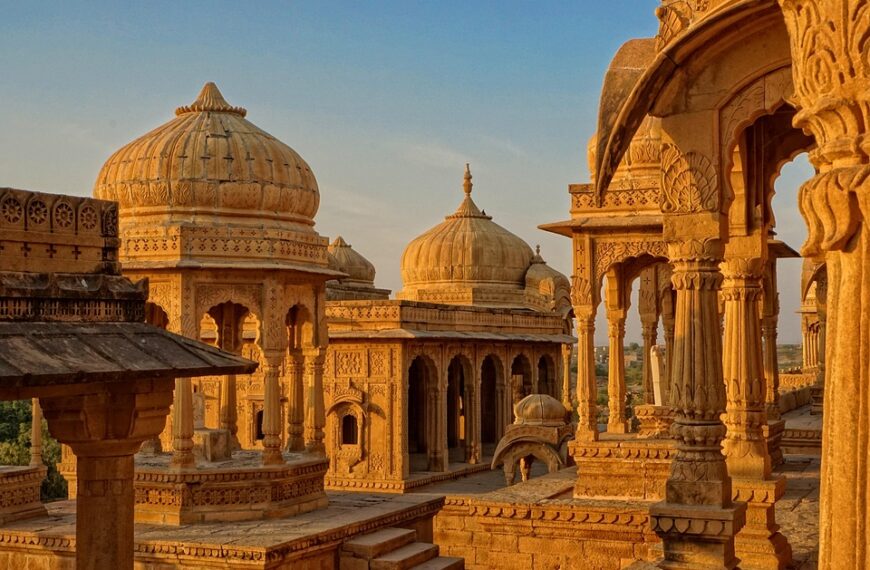
- Architectural Legacy: The Mughals constructed many forts, gardens, and mosques, including the famous Jamia Masjid in Srinagar.
The Afghan Rule
Following a tumultuous period, Kashmir fell into the hands of the Afghans in the 18th century. This era was marked by oppression and hardship for the local population, but it also led to social and economic changes.
The Dogra Dynasty
In the early 19th century, the Dogra dynasty took control of Kashmir. Under Maharaja Gulab Singh, Kashmir was sold to the British in 1846. The Dogras initiated several reforms and development projects that improved infrastructure but also deepened the divide between communities.
Conclusion
Kashmir’s royal heritage is a reflection of the myriad influences that have shaped it over centuries. From the early Hindu kingdoms to the Muslim Sultanates and Mughal influence to the Dogra rule, each era has contributed to the unique identity of Kashmir. The architectural gems, cultural practices, and traditions that remain today are a testament to this rich history. As Kashmir continues to navigate modern challenges, understanding its royal heritage provides valuable insights into its cultural significance and the spirit of its people.
FAQs
1. What is the significance of Zain-ul-Abidin in Kashmir’s history?
Zain-ul-Abidin, also known as Budshah, was an enlightened ruler who promoted tolerance and built sustainable infrastructure in Kashmir, greatly improving the quality of life for his subjects.
2. How did the Mughal rulers influence Kashmir’s architecture?
The Mughals brought their architectural styles to Kashmir, resulting in the construction of beautiful gardens, forts, and mosques that are now iconic symbols of Kashmir’s heritage.
3. What are some key monuments from Kashmir’s royal history?
Notable monuments include the Shankaracharya Temple from the Hindu period, the Jamia Masjid from the Mughal era, and the various gardens established by the Mughals.
4. Which dynasty was the first Muslim dynasty to rule Kashmir?
The Shah Mir dynasty was the first Muslim dynasty to establish control over Kashmir, marking the beginning of the Islamic influence in the region.

 By
By