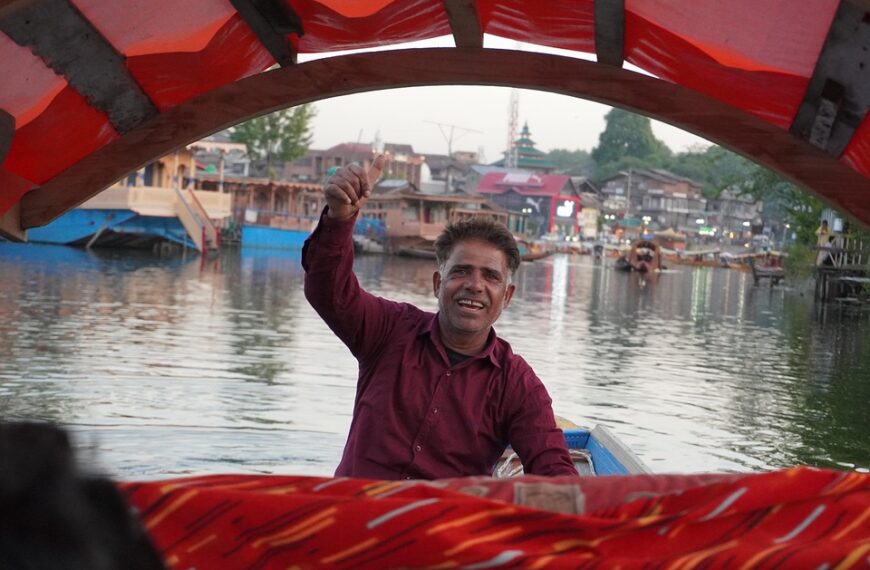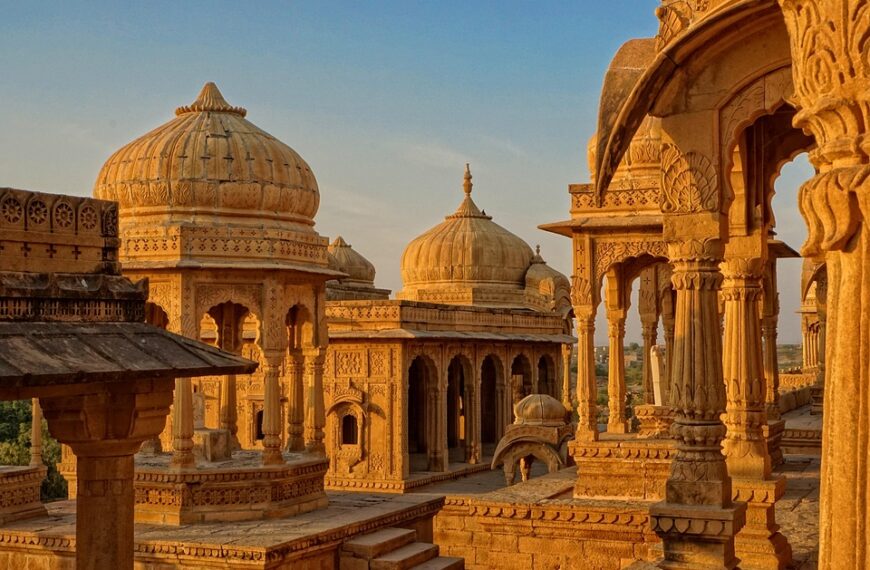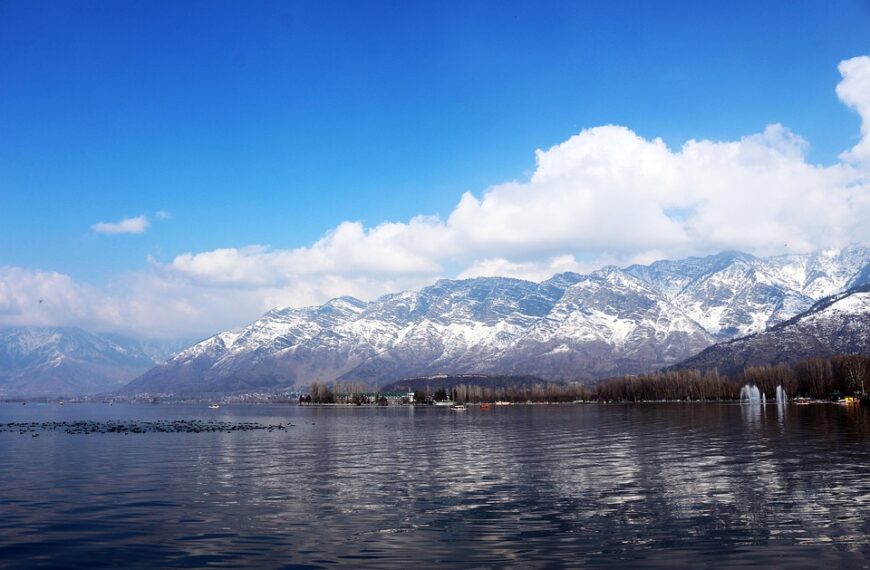
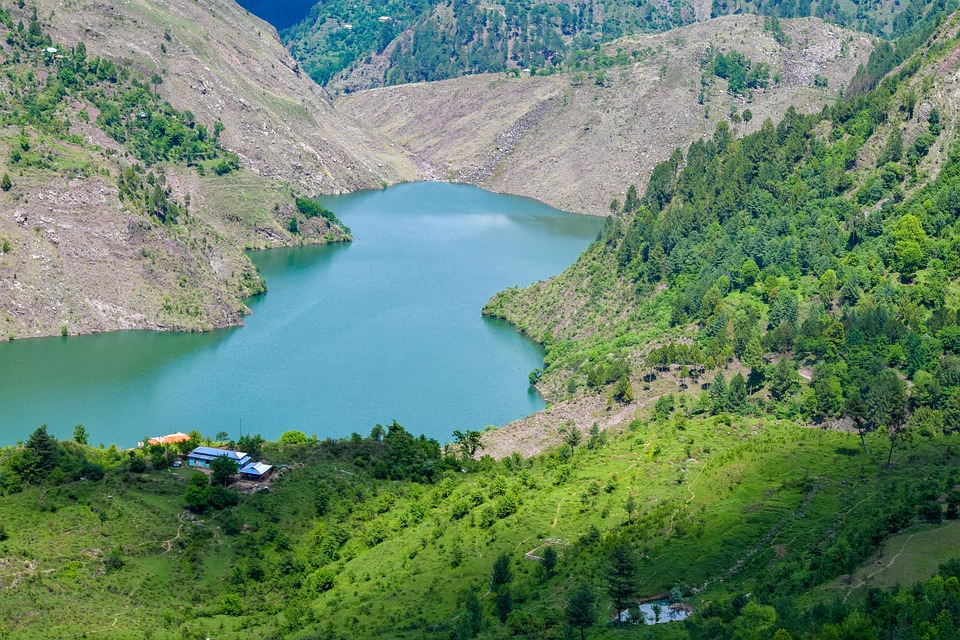

Kashmir, often referred to as “Paradise on Earth,” has a rich tapestry woven from threads of diverse cultures, religions, and histories. Its breathtaking landscapes, characterized by snow-capped mountains, lush valleys, and pristine lakes, have captivated travelers and conquerors alike for centuries. However, the beauty of this region has often been marred by conflict, particularly in the 20th and 21st centuries.
Historical Overview
The history of Kashmir dates back to ancient times, with archaeological findings indicating that the region was inhabited as far back as 3000 BCE. In ancient Hindu texts, Kashmir is often referred to as “Kashmiravah,” a land known for its beauty and abundance.
During the 3rd century BCE, Buddhism flourished in Kashmir, becoming a hub for scholars and monks. The region was a significant center for the dissemination of Buddhist teachings, particularly during the reign of King Ashoka. The famous Chinese traveler Xuanzang visited Kashmir in the 7th century, documenting its vibrant culture and advanced civilization.
In the subsequent centuries, Islam began to spread in Kashmir. By the 14th century, it had gained a significant foothold, primarily due to the efforts of saints like Shah-i-Hamadan. The arrival of Islam transformed the cultural landscape of Kashmir, leading to the creation of a rich blend of Hindu and Islamic art, architecture, and traditions.
The Mughal Era
The Mughal Empire, which ruled much of the Indian subcontinent from the early 16th to the 18th centuries, further added to the cultural richness of Kashmir. Under Mughal rule, the region became a favored retreat for emperors, particularly Jahangir, who described it as a paradise filled with beautiful gardens, mesmerizing landscapes, and serene lakes.
The Mughals left a lasting impact on Kashmir, evident in the remarkable architecture of Mughal gardens like Shalimar Bagh and Nishat Bagh, and the intricate designs of mosques and shrines that dot the landscape.
British Colonial Rule
Following the decline of the Mughal Empire, Kashmir came under the control of Afghan rulers in the 18th century. However, by the mid-19th century, it was annexed by the British after the First Anglo-Sikh War. The British acquired Kashmir and sold it to Gulab Singh, a Dogra ruler, who established the princely state of Jammu and Kashmir.
The Dogra rulers were Hindu, leading to societal tensions in a predominantly Muslim region. This disregard for local sentiments sowed the seeds of discontent, which would later erupt into conflict.
The Modern Conflict
The partition of British India in 1947 marked a turning point in Kashmir’s history. When India and Pakistan gained independence, princely states had the option to join either nation or remain independent. The ruler of Kashmir, Hari Singh, initially chose to remain independent but faced pressure from tribal militias sponsored by Pakistan.
In October 1947, these militias invaded Kashmir, prompting Hari Singh to seek assistance from India. In return for military aid, he signed the Instrument of Accession to India, leading to the first Indo-Pakistani War. The conflict resulted in the division of Kashmir into territories controlled by India and Pakistan, a situation that has persisted and evolved into a complex geopolitical issue.
Cultural Resilience
Despite the ongoing political turmoil, the cultural fabric of Kashmir remains vibrant and resilient. The traditional crafts of pashmina weaving, carpet making, and papier-mâché continue to thrive, embodying the region’s artistry. Furthermore, the culinary delights of Kashmiri cuisine, which reflect a blend of various influences, showcase the influence of its diverse cultural heritage.
Festivals such as Eid, Diwali, and Navratri continue to be celebrated in harmony, representing the coexistence of multiple religious communities. The unique blend of traditions and practices nurtures a sense of community and resilience among the people of Kashmir.
Towards a Peaceful Future
As the world looks on, the people of Kashmir aspire for a peaceful resolution to their long-standing issues. Dialogue and diplomacy remain essential in addressing grievances and fostering understanding between conflicting parties. The cultural richness and historical significance of Kashmir could serve as a foundation for building bridges and promoting lasting peace.
Conclusion
Kashmir stands as a testament to the intricate interplay of culture and conflict. From its ancient roots as a cradle of civilization to its current status as a highly contested region, Kashmir’s story is both tragic and inspiring. To navigate the complex dynamics of this region requires respect for its history, acknowledgment of its diverse cultures, and a commitment to peace. Only through understanding and cooperation can Kashmir hope to emerge from the shadows of its tumultuous past and embrace a brighter future.
FAQs
1. What is the historical significance of Kashmir?
Kashmir has been a center of culture, religion, and commerce since ancient times, contributing significantly to both Hinduism and Buddhism before the advent of Islam. Its strategic location has made it a focal point for various empires and cultures.
2. Why is there conflict in Kashmir?
The conflict in Kashmir primarily arises from territorial disputes between India and Pakistan, which escalated following the partition of British India in 1947. The region’s ethnic and religious diversity further complicates the situation.
3. How has Kashmir’s culture survived amid conflict?
Despite ongoing conflict, Kashmiri culture has persevered through resilience, rich traditions in art, music, and cuisine, and community solidarity among its diverse inhabitants.
4. What efforts are being made for peace in Kashmir?
Various organizations and governments are advocating for dialogue and diplomatic solutions to address the Kashmir crisis, focusing on mutual understanding and coexistence among its communities.

 By
By