
Exploring the rich cultural heritage, history, and beauty of the Kashmir Valley.
Introduction
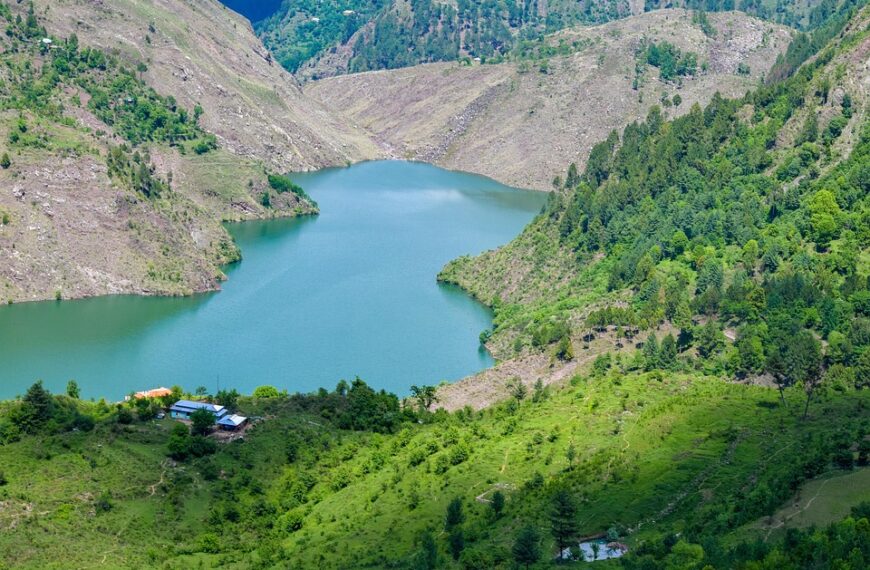
Kashmir, often referred to as “Paradise on Earth,” is a region celebrated for its stunning landscapes and rich cultural heritage. Nestled in the northern part of India, it is blessed with majestic mountains, serene lakes, and vibrant gardens. The unique tapestry of traditions, customs, and cuisines has evolved over centuries, influenced by various cultures and civilizations. This article aims to explore the diverse traditions that have shaped Kashmir into the cultural mosaic it is today.
The Historical Background
The history of Kashmir is a complex narrative involving ancient civilizations, empires, and trade routes. The region has been inhabited for thousands of years, with archaeological evidence dating back to the Neolithic period. Notable rulers such as Ashoka and the famous Persian emperor Darius influenced its growth as a center of art and learning. The arrival of Buddhism and later Islam in the region further enriched its cultural landscape.
Cultural Heritage
Language and Literature
The primary language spoken in Kashmir is Kashmiri, which has a rich literary heritage. Poets like Habba Khatoon and Lal Ded have immortalized the region’s beauty through their verses. Urdu also holds significance, particularly in classical literature, while Dogri and Hindi are widely spoken.
Music and Dance
Kashmiri music is characterized by its serene melodies and unique instruments. The Santoor, Rabab, and the Dukkar are traditional instruments that form the backbone of Kashmiri music. The traditional dance forms, such as Rouff and Hafiz Nagma, reflect the social and festive spirit of the Kashmiri people.
Festivals and Celebrations
Kashmiris celebrate a multitude of festivals, reflecting the region’s diverse traditions. Eid, Diwali, and Shivratri are celebrated with great fervor and devotion. The annual Tulip Festival, showcasing carpets of tulips, attracts numerous visitors and symbolizes the arrival of spring. Local fairs like the Mela Kheer Bhawani and Shivratri Mela highlight the spiritual and communal essence of Kashmiri culture.
Culinary Traditions
The cuisine of Kashmir is a blend of flavors and ingredients, heavily influenced by the region’s climate. Dishes like Rogan Josh, Yakhni, and Dum Aloo are staples in Kashmiri kitchens. The traditional Wazwan is a feast that includes a variety of meat dishes, symbolizing the cultural hospitality of the Kashmiri people. The use of local spices such as saffron and Kashmir chili enhances the unique flavors of the cuisine.
Handicrafts and Art
The handicrafts of Kashmir are world-renowned for their intricate designs and craftsmanship. Pashmina shawls, carpets, and woodwork reflect the skill of local artisans. The art of papier-mâché, producing colorful decorative items, showcases the cultural significance of aesthetics in Kashmiri life. Each craft carries its own history, telling tales of the region’s rich artistic traditions.
Natural Beauty and Tourism
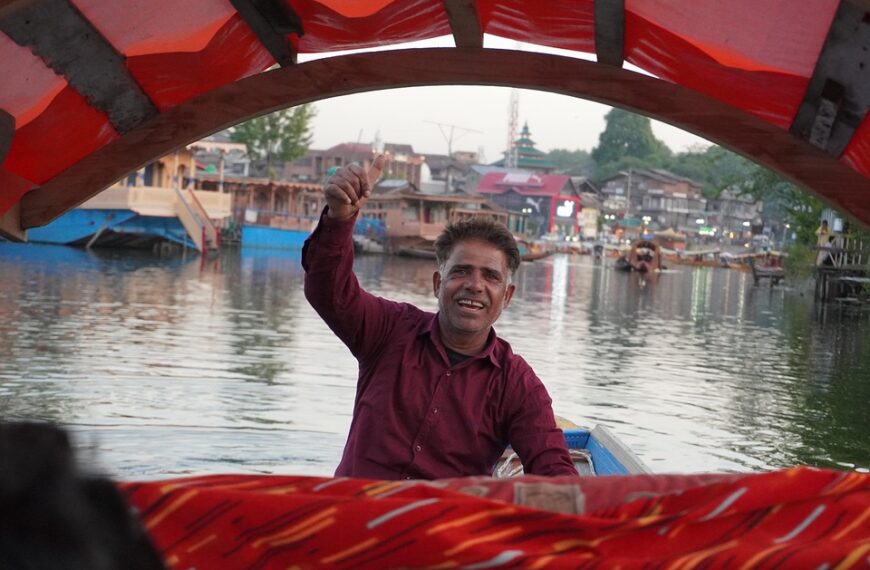
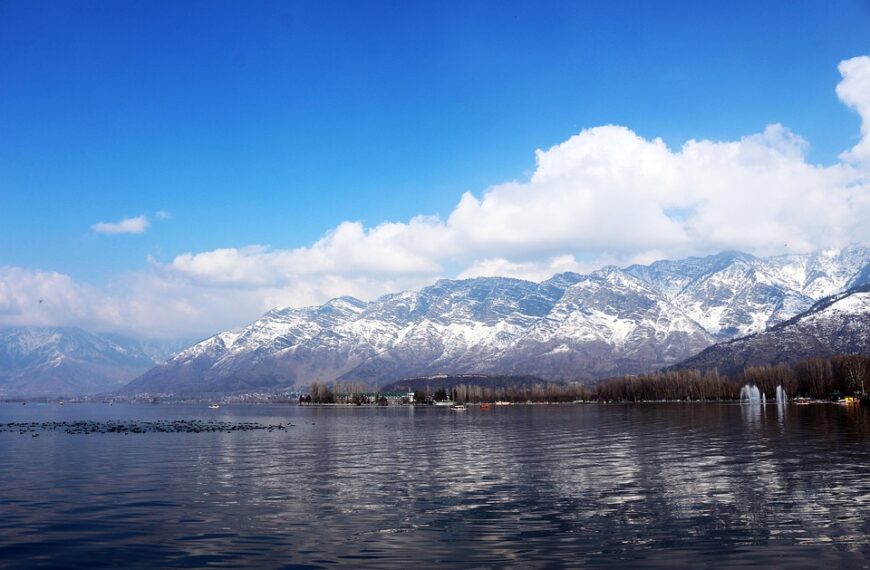
The breathtaking landscapes of Kashmir, dotted with gardens, lakes, and mountains, draw visitors from around the world. Places like Srinagar, Gulmarg, and Pahalgam offer stunning vistas and a chance to experience the region’s natural beauty. The houseboats on Dal Lake provide a unique way to immerse oneself in the tranquility of nature. The tourism sector has become a vital part of Kashmir’s economy while simultaneously preserving its cultural heritage.
Conclusion
Kashmir is undoubtedly a tapestry of traditions woven through time. Its cultural richness is a product of various influences, shaped by the land and its people. Despite contemporary challenges, the spirit of Kashmir endures, with its traditions continuing to thrive. As visitors explore the region, they not only discover the natural beauty but also the profound heritage that makes Kashmir truly unique.
FAQs
1. What is the best time to visit Kashmir?
The best time to visit Kashmir is during the spring (March to May) and autumn (September to November) when the weather is pleasant, and landscapes are vibrant.
2. What are the must-try dishes in Kashmiri cuisine?
Must-try dishes include Rogan Josh, Yakhni, Dum Aloo, and various meat dishes included in the traditional Wazwan feast.
3. Why is Kashmir famous for handicrafts?
Kashmir is famous for its exquisite handicrafts, including Pashmina shawls, carpets, and papier-mâché items, each known for intricate craftsmanship and designs.
4. How can I experience local traditions in Kashmir?
To experience local traditions, participate in local festivals, visit traditional markets, and engage with the local community while exploring their customs.
5. Is Kashmir safe for tourists?
While Kashmir has experienced unrest, many areas are safe for tourists. It’s advisable to stay updated on travel advisories and follow local guidelines.

 By
By