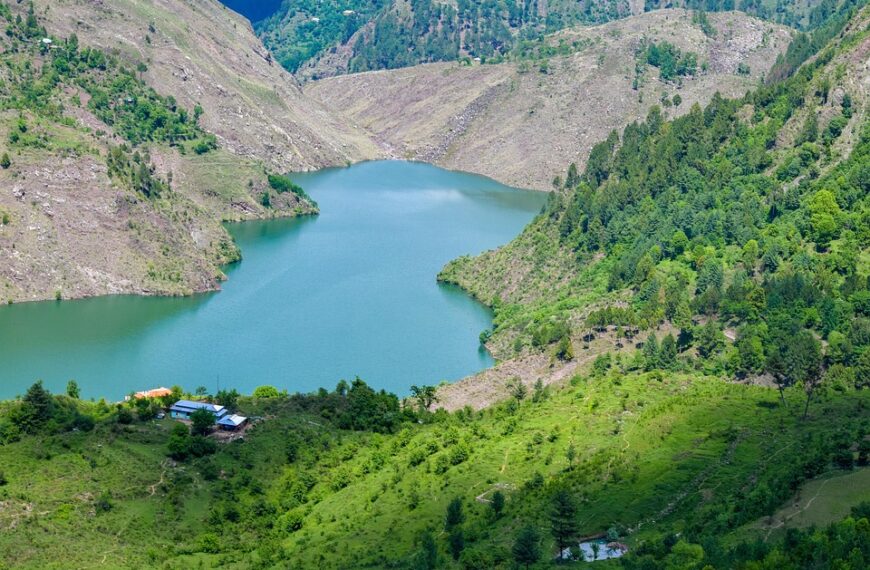

Kashmir, often referred to as “Paradise on Earth,” is a region in the northern part of the Indian subcontinent known for its breathtaking landscapes, diverse cultures, and rich historical heritage. This picturesque valley is encircled by the majestic Himalayas and adorned with verdant gardens, pristine lakes, and snow-capped peaks. Its history stretches back thousands of years, weaving together a tapestry of cultures that have flourished and evolved in this beautiful region.
Historical Background
The history of Kashmir is as complex as its stunning geography. It has been a melting pot of various cultures, religions, and traditions. Hinduism, Buddhism, and Islam are the primary religions that have influenced the region. This rich heritage can be traced back to the time of the early Vedic period, followed by the reign of various dynasties, including the Mauryas, Guptas, and Kshatrapas.
During the influence of Buddhism in the 3rd century BCE, Kashmir became a center for Buddhist learning and scholarship, home to famous scholars like Vasubandhu and Dignaga. The traces of this ancient past can still be seen in the remnants of Buddhist monasteries that dot the landscape, such as those found in Martand and Harwan.
Cultural Heritage
Kashmir’s cultural heritage is a blend of various influences that reflect its religious diversity. The valley has a rich tradition of music, dance, and crafts. The soulful melodies of Kashmiri folk music, characterized by instruments like the rabab and the santoor, are an integral part of local life. Traditional dances, such as Rouf and Wanus, showcase the community spirit and joy of the Kashmiri people.
The art of weaving and handicraft is another hallmark of Kashmiri culture. The region is renowned for its exquisite Pashmina shawls, intricately designed carpets, and beautifully crafted wooden carvings. These crafts not only provide livelihoods to many families but also serve as a testament to the extraordinary skills of local artisans.
Cuisines of Kashmir
No exploration of Kashmiri culture would be complete without delving into its culinary delights. Kashmiri cuisine is known for its distinct flavors and aromatic spices. Dishes like Rogan Josh, Yakhni, and Dum Olav are central to traditional Kashmiri feasts, served with rice or bread called “roti.” Saffron, a prized spice cultivated in the region, lends its unique flavor and vibrant color to many dishes.
The traditional Wazwan—a multi-course meal served at weddings—is a culinary spectacle that reflects the rich gastronomic heritage of Kashmir. It encapsulates the spirit of hospitality and community, bringing people together to savor the flavors of the region.
Nature’s Bounty
Kashmir is often referred to as a land of breathtaking beauty, often striking visitors with its stunning landscapes. The region is home to several picturesque valleys, including Gulmarg, Pahalgam, and Sonamarg, each offering unique experiences amidst nature’s grandeur.
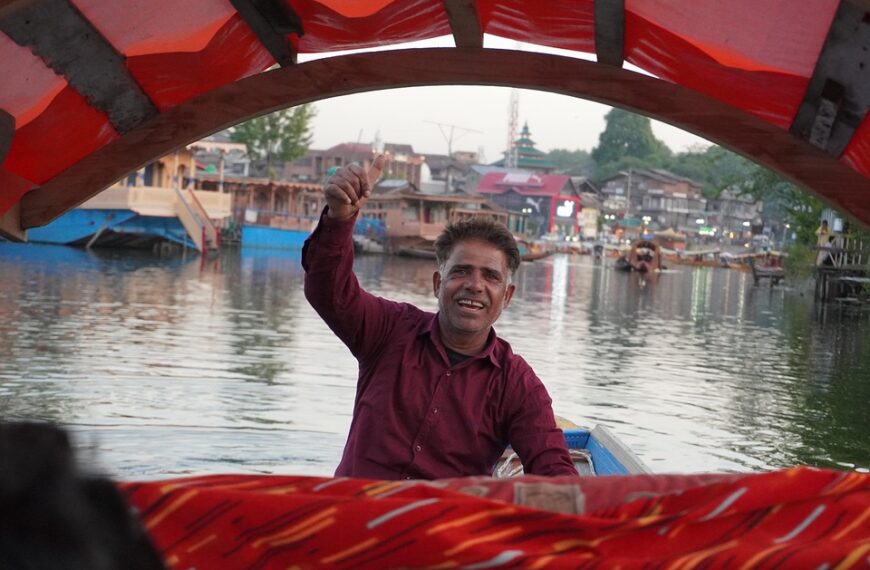
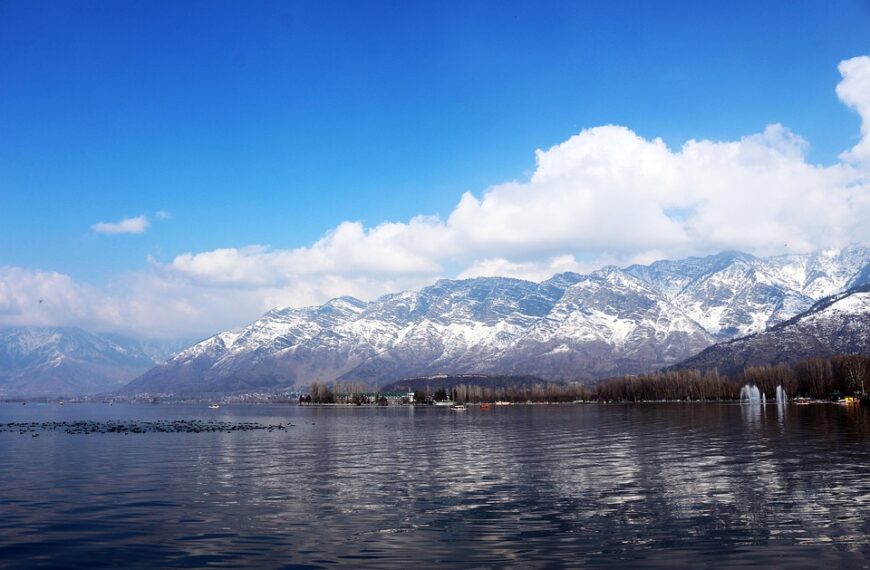
The serene Dal Lake, famous for its houseboats and shikaras (traditional wooden boats), is a symbol of Kashmir’s beauty. The lake is surrounded by the majestic Zabarwan Range and is a hub of local life and leisure. Visitors can explore the floating gardens, sample delicious local snacks from vendors, or simply enjoy a peaceful ride on the calm waters.
Challenges and Resilience
Despite its myriad charms, Kashmir faces numerous challenges. Political turmoil and conflict have impacted the region’s development and stability. However, the resilience of the Kashmiri people shines through their rich traditions and enduring spirit. The locals have maintained their cultural identity and continue to celebrate their heritage amidst adversity.
Conclusion
Kashmir is a remarkable tapestry of ancient cultures, rich heritage, and stunning natural beauty. It stands as a testament to the endurance and resilience of its people who have nurtured their traditions through centuries of change. While the region faces challenges, the vibrant culture, artistic expressions, and generous hospitality offer a glimpse into a way of life that remains timeless. As Kashmir continues to evolve, it remains a captivating destination that beckons travelers to explore its tranquil landscapes and vibrant culture, making it a true paradise on earth.
FAQs
1. What are the best times to visit Kashmir?
The best time to visit Kashmir is during spring (March to June) and autumn (September to November). The weather is pleasant, and the landscapes are breathtaking, showcasing vibrant flowers or fall colors.
2. Is it safe to travel to Kashmir?
While Kashmir has faced political challenges, many tourists visit safely. It’s best to check travel advisories and local conditions before planning your trip.
3. What local crafts should I look for in Kashmir?
Some must-have local crafts include Pashmina shawls, carpets, wooden handicrafts, and intricately designed papier-mâché items.
4. Can I experience traditional Kashmiri cuisine during my visit?
Yes! Many local restaurants and houses offer traditional Kashmiri meals. Don’t miss the experience of a Wazwan feast if possible!
5. What activities can I do in Kashmir?
Visitors can enjoy activities like trekking, skiing, shikara rides on Dal Lake, and exploring historic sites and gardens.


 By
By