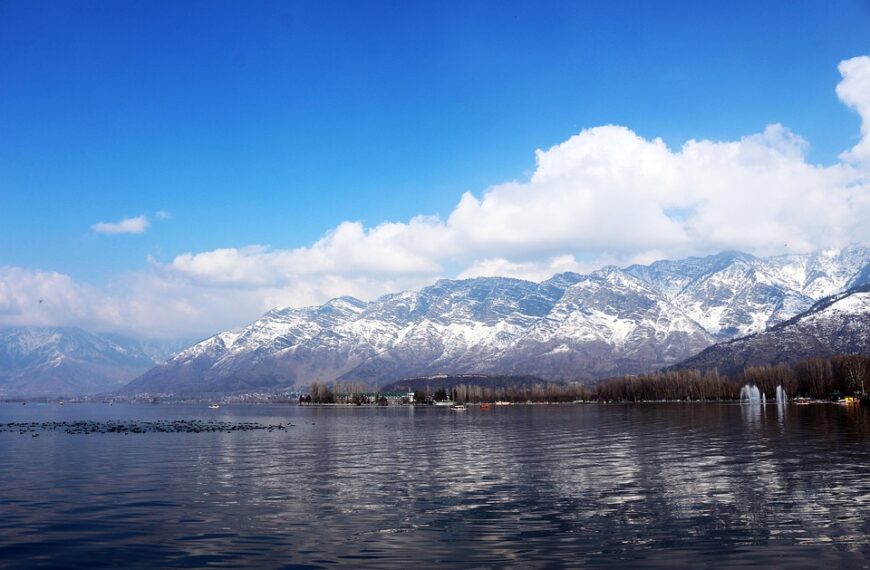

Nishat Bagh, or the ‘Garden of Joy,’ stands as one of the most magnificent examples of Mughal gardens in India. Located on the eastern side of the Dal Lake in Srinagar, J&K, Nishat Bagh was constructed in 1633 AD by Asif Khan, the elder brother of Empress Noor Jahan. This garden offers a picturesque view of the surrounding snow-capped mountains and the serene waters of Dal Lake, embodying the quintessential beauty of Mughal architecture and horticulture.
Historical Background
The Mughal Empire, at its zenith during the 16th and 17th centuries, was known for its distinctive art forms and architectural marvels. The gardens created during this period were designed to symbolize paradise on earth, influenced by Persian garden styles. Nishat Bagh was developed during the reign of Shah Jahan, a period renowned for opulent architecture, including the iconic Taj Mahal.
Architecture and Layout
Nishat Bagh covers an area of around 55 acres and is arranged in a terraced design, rising in a series of levels that ascend toward the Zabarwan mountain range. The garden features a combination of colorful flowerbeds, exquisite trees, and flowing water channels that create a tranquil atmosphere. The layout reflects a careful balance of symmetry and intricate detailing typical of Mughal aesthetics.
Water Features
Water is a significant element in Mughal gardens, representing life and abundance. Nishat Bagh is no exception, featuring a series of cascading fountains, pools, and channels that run through its landscapes. The sound of running water, complemented by the vibrant colors of blooming flowers, entices visitors to spend time in this serene environment.
Flora and Fauna
The garden is home to an array of flowering plants, including colorful tulips, daffodils, and roses that bloom during the spring, transforming the garden into a colorful spectacle. Additionally, the towering Chinar trees provide shade and contribute to the garden’s charm. The rich biodiversity in and around Nishat Bagh attracts various bird species, making it a noteworthy spot for nature enthusiasts and photographers.
Cultural Significance
Nishat Bagh holds substantial cultural importance for the Kashmiri people and tourists alike. It serves as a venue for various festivals and cultural events, showcasing the rich heritage of the region. The garden is a popular site for picnics, leisure walks, and photography, allowing people to connect with nature and history alike.
Visiting Nishat Bagh
Nishat Bagh is open to visitors throughout the year, with the best time to visit during spring (March to April) when the flowers are in full bloom. The entry fee is nominal, making it accessible to a wide range of visitors. Facilities such as restrooms, pathways for easy movement, and shaded areas enhance the visitor experience, making it a must-visit for anyone traveling to Srinagar.
Conclusion
Nishat Bagh is not merely a garden but a testimony to the architectural brilliance and horticultural excellence of the Mughal era. It offers a serene escape from the hustle and bustle of daily life, inviting visitors to immerse themselves in its beauty. The harmonious blend of water, flora, and historical significance makes Nishat Bagh a remarkable destination for both tourists and locals. As we admire the splendor of this Mughal garden, we are reminded of the timeless legacy that continues to captivate generations, urging us to cherish and preserve such invaluable cultural treasures.
Frequently Asked Questions (FAQs)
1. What is the best time to visit Nishat Bagh?
The best time to visit Nishat Bagh is during spring, particularly from March to April, when the flowers are in full bloom.
2. Is there an entry fee for Nishat Bagh?
Yes, there is a nominal entry fee, making it accessible for a wide range of visitors.
3. Are there any facilities available for visitors?
Nishat Bagh offers various facilities, including restrooms, pathways for easy movement, and shaded areas for relaxation.
4. What is the historical significance of Nishat Bagh?
Nishat Bagh was constructed in 1633 AD and is a prime example of Mughal garden architecture, symbolizing paradise on earth influenced by Persian designs.
5. Can I take photographs in Nishat Bagh?
Yes, photography is encouraged in Nishat Bagh, allowing you to capture its stunning beauty and lush landscapes.


 By
By