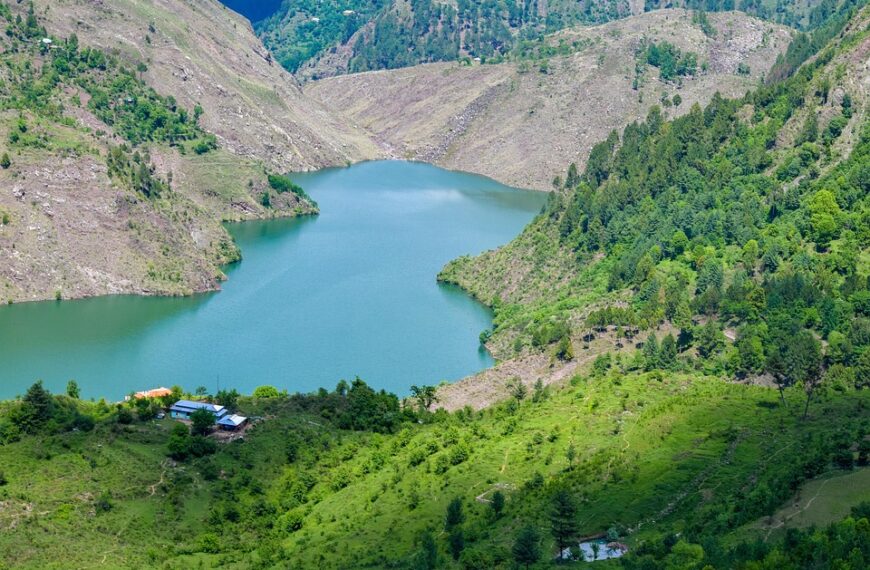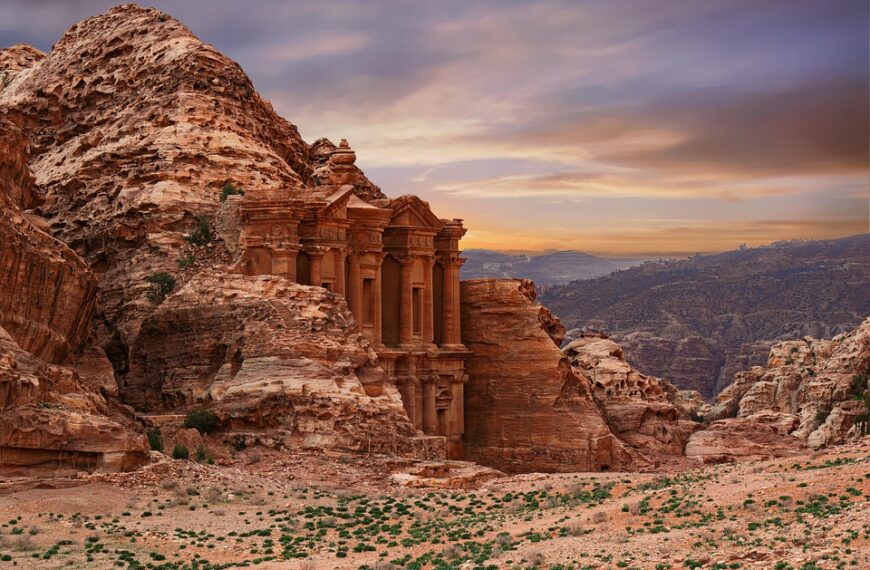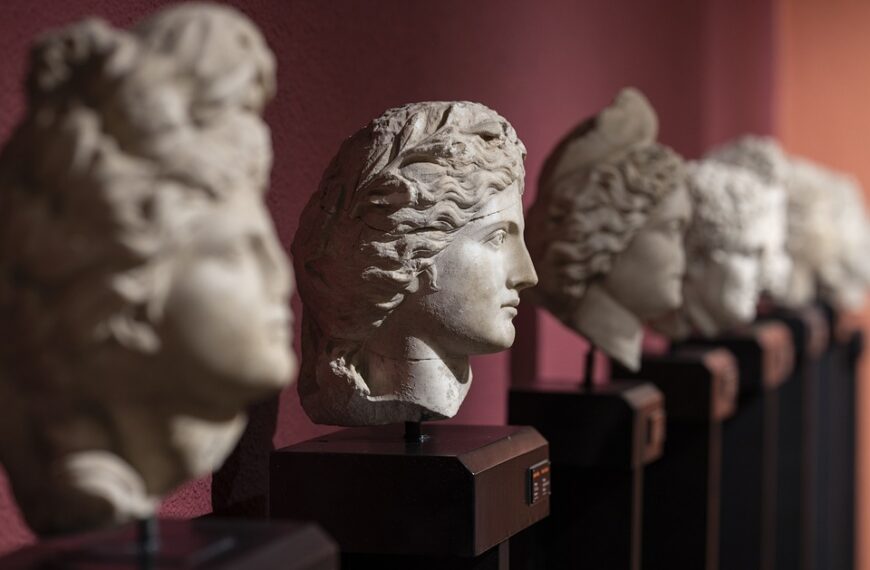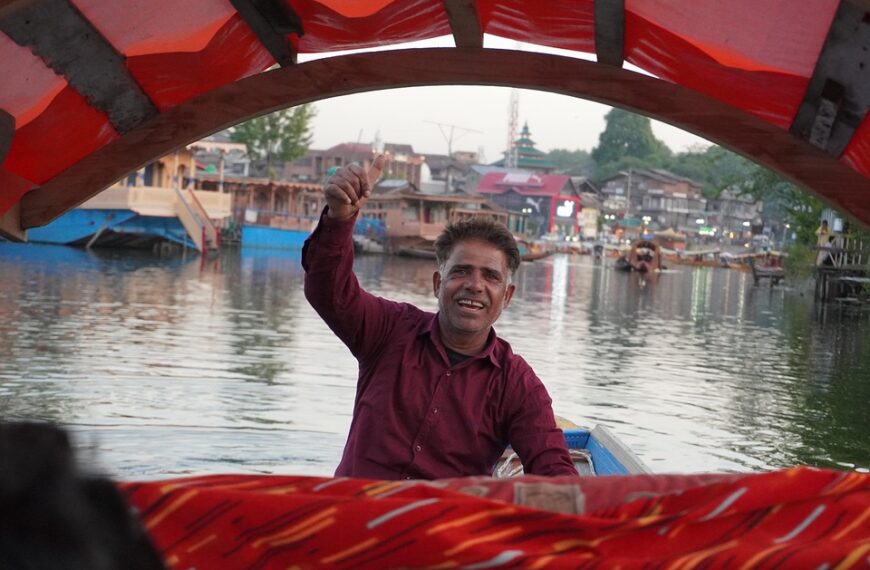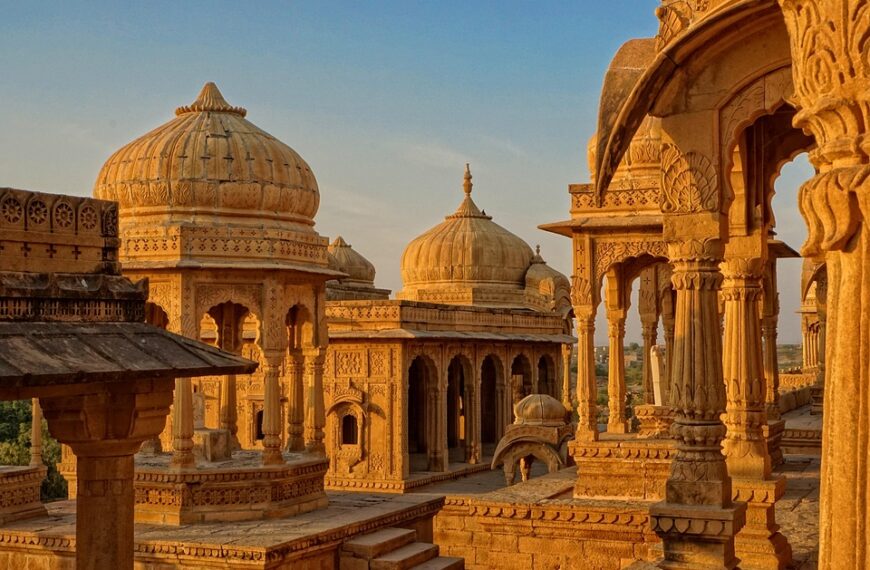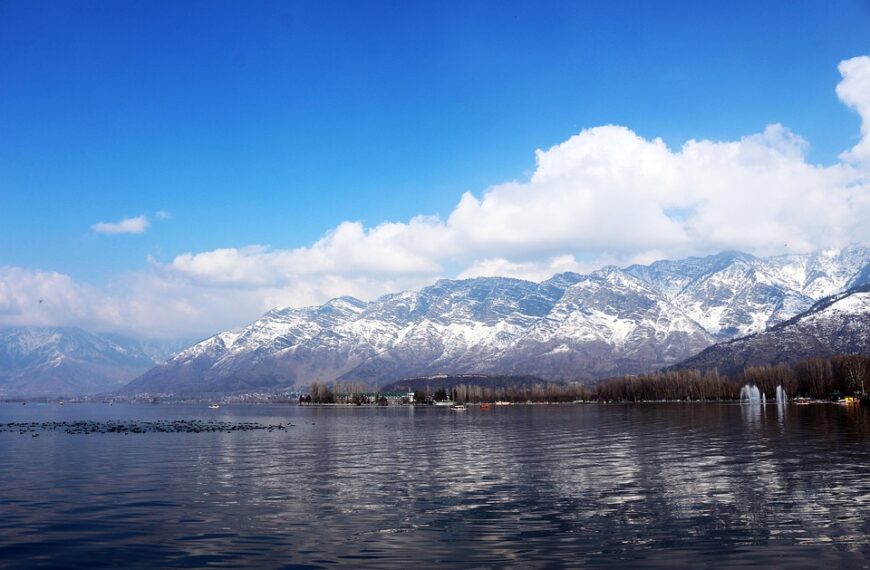

Nestled in the lap of the Himalayas, Kashmir is often referred to as “Paradise on Earth.” It is not only blessed with breathtaking natural beauty, but it also boasts an impressive array of historical monuments that speak volumes about its rich cultural heritage. From ancient temples to grand mosques, the monuments of Kashmir depict a tapestry of history, art, and architecture that has stood the test of time.
The Historic Significance of Kashmir
Kashmir has been a pivotal point of convergence for various civilizations over centuries. Its strategic location made it a melting pot of different cultures, religions, and artistic influences. The monuments here are manifestations of its illustrious past, showcasing a blend of Hindu, Buddhist, and Islamic architecture.
Architectural Styles
The architectural styles of Kashmir can be categorized into three major influences:
- Hindu Architecture: Characterized by intricate carvings and vibrant sculptures, Hindu temples in Kashmir reflect the artistic zenith of the time.
- Buddhist Influence: The remnants of Buddhist stupas and monasteries can still be seen, telling tales of ancient practitioners who once thrived here.
- Islamic Architecture: Mughal and Indo-Saracenic styles are visible in several mosques and gardens, showcasing the opulence of the Mughal period.
Must-Visit Monuments
Here are some of the most iconic monuments that should not be missed when exploring the enchanting landscape of Kashmir:
Shankaracharya Temple
Perched on Shankaracharya Hill, this temple is dedicated to Lord Shiva and offers a panoramic view of Srinagar and Dal Lake. Dating back to the 9th century, its architecture reflects ancient Hindu traditions, making it a significant pilgrimage site for devotees.
Jamia Masjid
Located in the heart of Srinagar’s old city, this mosque is a beautiful blend of Indo-Saracenic architecture. Built in the 14th century, it features 378 wooden pillars, each intricately carved, and can accommodate thousands of worshippers. The serene ambiance here is perfect for reflection and peace.
Pari Mahal
Often referred to as the “Palace of Fairies,” Pari Mahal is a stunning seven-terraced garden built during the Mughal era. It serves as a symbol of the harmonious relationship between nature and architecture. The gardens and panoramic views of Dal Lake make it a romantic spot for visitors.
Kotla Feroz Shah
This ancient fort located in Srinagar is a testament to the strategic importance of Kashmir throughout history. Built in the 14th century, its ruins offer insights into the architectural styles of the time. The fort’s crumbling walls evoke a sense of nostalgia and grandeur.
The Cultural Mosaic of Kashmir
The monuments of Kashmir aren’t just stone structures; they encapsulate stories of resilience, devotion, and cultural synthesis. Each monument stands as a testament to the artistic expression of the time and reflects the socio-political paradigms of their respective eras.
Festivals and Traditions
Alongside the monuments, Kashmiris celebrate various festivals, adding life to the heritage of these structures. Events like Shivratri, Eid, and Navratri see thousands flocking to these monuments, where traditions and celebrations breathe life into ancient stones.
Conclusion
Kashmir’s majestic monuments are more than mere attractions; they are a celebration of the region’s rich cultural heritage. Each site provides unique insight into the lives, beliefs, and artistry of the people who have called this land home throughout history. For travelers and historians alike, these timeless treasures offer an unparalleled experience, intertwining nature’s beauty with the echoes of the past. A visit to Kashmir is incomplete without wandering through its historic sites, allowing you to connect with the legacy of this stunning region.
FAQs
1. When is the best time to visit Kashmir?
The best time to visit Kashmir is during the spring (March to May) and autumn (September to November) months, when the weather is mild and the natural beauty is at its peak.
2. Are there any guided tours available for exploring these monuments?
Yes, several local tour operators offer guided tours that focus on the historical and cultural significance of Kashmir’s monuments.
3. What is the entry fee for these monuments?
Entry fees vary by monument. Some may require a small fee, while others may have free entry, so it’s advisable to check beforehand.
4. Is photography allowed at these sites?
Photography policies differ from one monument to another; most of them allow photography, but it’s best to verify on-site.
5. Do I need any permits to visit these monuments?
Generally, no special permits are needed to visit the monuments in Kashmir, but it’s wise to check local regulations and guidelines.

 By
By
 clbetfair says: