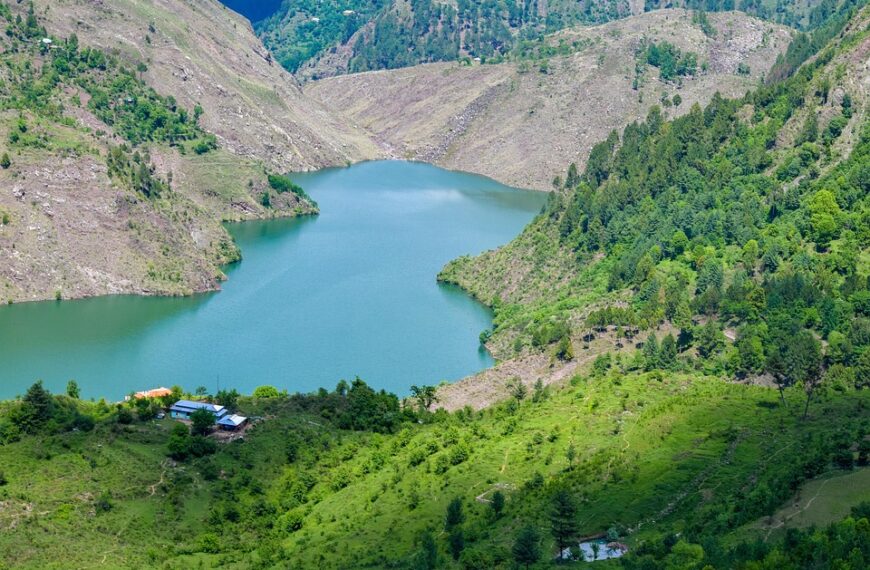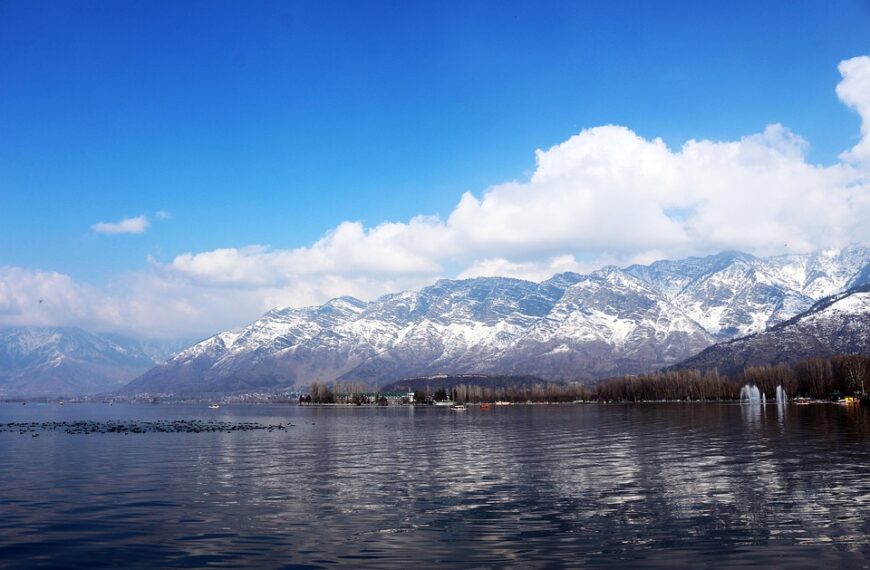

Kashmir, often referred to as “Paradise on Earth,” boasts a rich and complex history woven from a multitude of dynasties, cultures, and traditions. The region’s strategic location along trade routes and its breathtaking landscapes have attracted numerous rulers and empires throughout history. This article delves into the dynastic tapestry of Kashmir, highlighting the significant dynasties that shaped its identity, culture, and heritage.
The Early Dynasties
The history of Kashmir can be traced back to the early dynasties that emerged around the 3rd century BCE. The region was initially influenced by the Mauryan Empire, with Emperor Ashoka promoting Buddhism. This period marked the establishment of Buddhist monasteries and cultural centers in Kashmir, which became vital hubs for the religion.
The subsequent rise of the Kushan Empire in the 1st century CE further enriched Kashmir’s cultural landscape. Under the rule of Kanishka, a great patron of Buddhism, the region flourished as a center of art and learning. The Kushans contributed significantly to the architectural heritage of Kashmir, as seen in the remnants of Buddhist stupas and carvings that still dot the landscape.
The Shankaravarman Era
One of the most notable dynasties was the Karkota dynasty, established around the 7th century CE. King Shankaravarman, one of the most famous rulers of this lineage, is credited with significant administrative and architectural reforms. Under his reign, the region underwent rapid development in various fields, including commerce, architecture, and urban infrastructure. The temples built during this period, such as the Martand Sun Temple, showcase the exquisite architectural craftsmanship of Kashmiri artisans.
The Lohara Dynasty
The Lohara dynasty succeeded the Karkotas and ruled from the 9th to the 12th centuries CE. This era was marked by political instability, but it also witnessed the emergence of a rich cultural heritage. Prominent figures during this period included King Avantivarman, who promoted Hinduism and rebuilt many temples that had fallen into disrepair.
Literature and poetry flourished during the Lohara dynasty, with significant contributions from poets such as Bilhana, who is known for his Sanskrit writings. The Lohara kings played a crucial role in preserving the cultural and religious practices of the region, paving the way for a harmonious coexistence of Hindu and Buddhist traditions.
The Muslim Rule
The arrival of Muslim rulers in the 14th century marked a significant turning point in Kashmir’s history. Shams-ud-Din Shah Mir established the Shah Mir dynasty, which heralded the onset of Islamic influence in the region. The dynasties that followed, including the Shahi Shahis and the Chak rulers, contributed to the unique cultural amalgamation of Hindu and Islamic elements.
One of the most remarkable figures during this period was Zain-ul-Abidin, also known as the “Buddha of Kashmir.” His reign is often considered a golden age characterized by economic prosperity, religious tolerance, and advancements in art and literature. Zain-ul-Abidin’s policies fostered a spirit of inclusivity, allowing various cultural influences to flourish.
The Mughal Era
The Mughal Empire further transformed Kashmir’s cultural landscape during the 16th to 17th centuries. Under emperors like Akbar and Shah Jahan, Kashmir became a favored retreat for Mughal royalty. The Mughals introduced Persian aesthetics and architectural styles, which are evident in the exquisite gardens, palaces, and mosques built during this period, including the famous Mughal gardens in Srinagar.
The Mughal period also left an indelible mark on Kashmiri cuisine, music, and art, as Persian and Mughal influences merged with local traditions to create a distinct cultural identity. This era facilitated an exchange of ideas and practices that enriched the tapestry of Kashmir.
The Sikh and Dogra Periods
Following the decline of the Mughal Empire, Kashmir came under Sikh rule in the early 19th century. The Sikhs, led by Maharaja Ranjit Singh, significantly impacted the region’s administration and culture. However, it was the Dogra dynasty that would bring significant changes as they annexed Kashmir in the mid-19th century.
The Dogra rulers, particularly Maharaja Gulab Singh, initiated several reforms and modernization efforts. While they made advancements in infrastructure and governance, their autocratic rule also led to widespread discontent among the local population. The culmination of this unrest laid the foundation for future political struggles in the region.
Conclusion
The dynastic history of Kashmir illustrates a rich tapestry interwoven with the threads of diverse cultures, religions, and ideologies. From ancient empires to Islamic rule and colonial influences, each dynasty has left a lasting legacy that continues to shape the identity of this enchanting region. Understanding Kashmir’s dynastic history not only illuminates the complexities of its past but also contributes to a greater appreciation of its cultural heritage today.
FAQs
1. What is the significance of the Karkota dynasty in Kashmir’s history?
The Karkota dynasty is significant for its architectural advancements and the promotion of Buddhist culture, particularly under King Shankaravarman, who facilitated major urban and cultural developments.
2. Who was Zain-ul-Abidin, and why is he important?
Zain-ul-Abidin, known as the “Buddha of Kashmir,” is remembered for his policies of religious tolerance and inclusivity, which contributed to a cultural renaissance during his reign in the 15th century.
3. How did Mughal rule influence Kashmir?
The Mughal Empire influenced Kashmir through architecture, art, and cuisine, exemplified by the beautiful Mughal gardens and the blending of Persian and local cultural elements.
4. Who were the Dogras and what was their impact on Kashmir?
The Dogras were a ruling dynasty that implemented administrative reforms in Kashmir but whose autocratic rule also led to significant unrest and laid the foundations for future political struggles.

 By
By

 bdbajeeappbd says:
  mantap89login says: