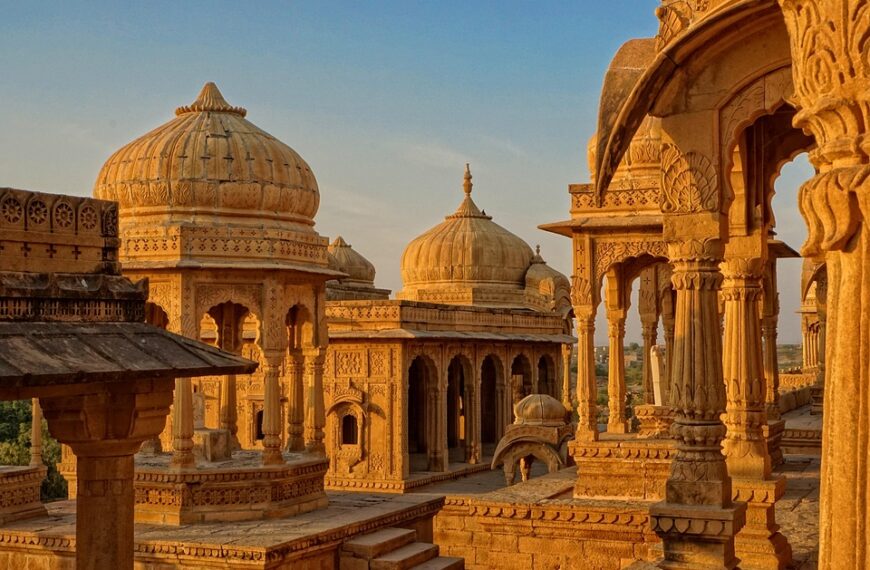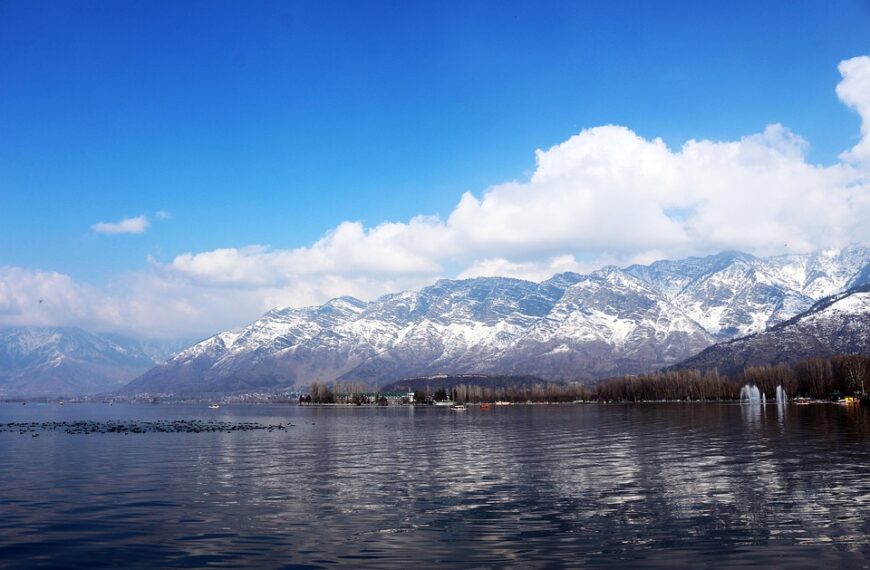
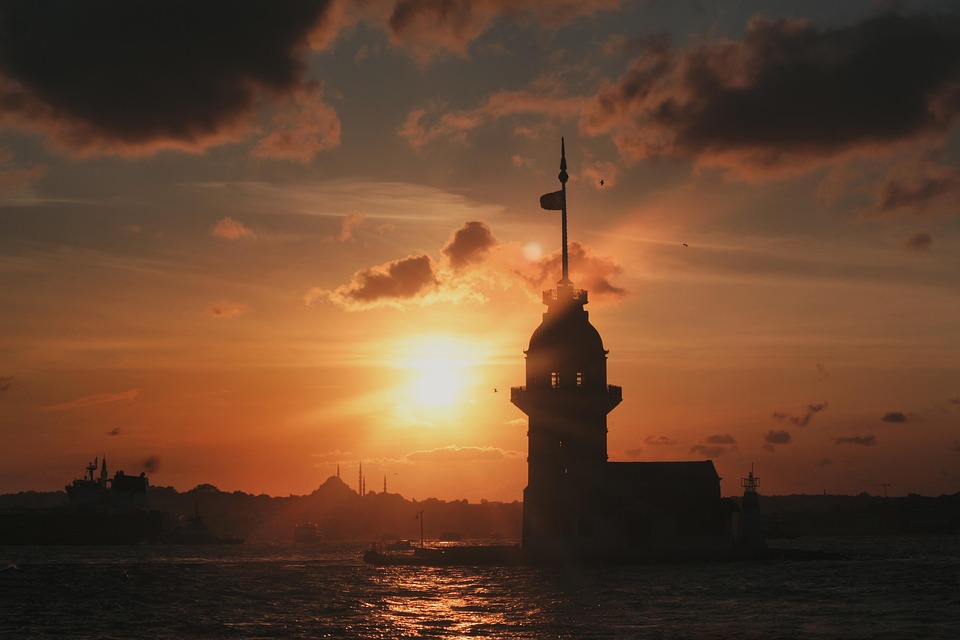

Kashmir, often referred to as ‘Paradise on Earth,’ is known for its breathtaking landscapes, serene lakes, and the majestic Himalayas. However, beyond its natural beauty lies a rich tapestry of history and culture that begs to be explored. Join us as we embark on a journey through some of Kashmir’s most significant historical landmarks, each with its own story to tell.
The Mughal Gardens
One of the most iconic symbols of Kashmir’s elegance are the Mughal gardens, laid out in the 16th century by the Mughal emperors. The beautiful terraced gardens of Shalimar Bagh, Nishat Bagh, and Chashme Shahi are not only a testament to the Persian influence on Indian architecture but also showcase the unparalleled beauty of the Kashmiri landscape.
Shalimar Bagh, built by Emperor Jahangir for his wife Nur Jahan, is a symphony of floral designs, flowing water, and lush greenery. Each garden is meticulously designed to reflect the principles of harmony and balance, embodying the Mughal era’s passion for beauty and nature.
Shankaracharya Temple
Perched on a hilltop overlooking the city of Srinagar, the Shankaracharya Temple is dedicated to Lord Shiva and is one of the oldest landmarks in Kashmir. This temple dates back to the 9th century and is believed to have been built by the philosopher Adi Shankaracharya.
The climb to the temple involves a steep ascent of 240 steps, offering spectacular views of Srinagar and the surrounding mountains. The temple architecture is a striking blend of Hindu and Buddhist elements, representing the diverse cultural history of the region.
Jama Masjid
The Jama Masjid in Srinagar is another prominent historical landmark. Built in 1672 by Sultan Sikandar, this mosque is an architectural marvel, boasting Indo-Saracenic design with 378 wooden pillars supporting its massive roof. The serene courtyard offers a tranquil space for reflection and worship.
What makes the Jama Masjid unique is its stunning wooden architecture which reflects the ancient crafts of Kashmir. Its intricate woodwork and lush gardens make it a peaceful escape from the hustle and bustle of the city.
Hazratbal Shrine
Sitting majestically by the banks of the Dal Lake, the Hazratbal Shrine is an important religious site for Muslims in Kashmir. This pristine white marble structure houses a relic believed to be a hair strand of Prophet Muhammad.
The shrine is surrounded by beautiful gardens along the lake, making it an ideal spot for both spiritual contemplation and leisurely walks. Its significance goes beyond religion, showcasing the rich heritage of Kashmiri architecture.
Wular Lake
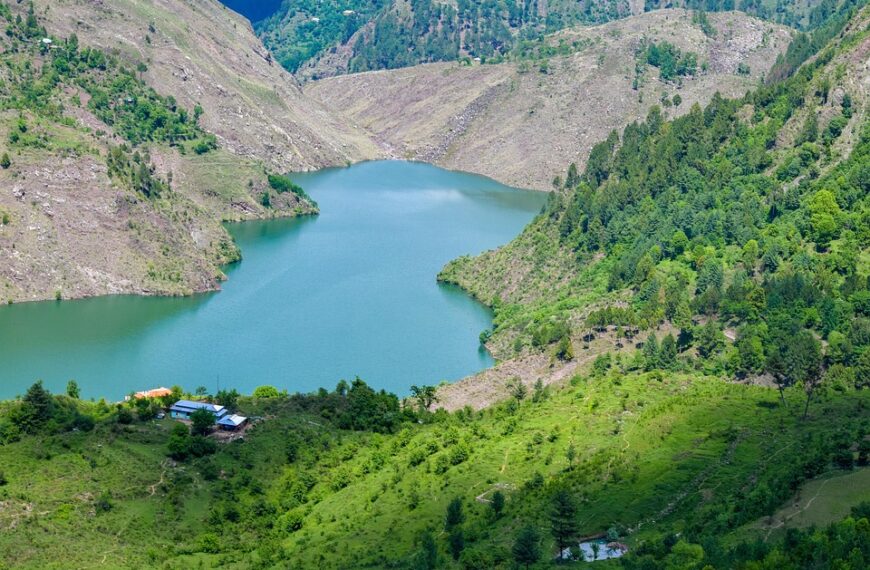
Wular Lake, one of the largest freshwater lakes in Asia, is not only significant for its ecological importance but also for its historical value. It has been mentioned in ancient texts and was a key area for trade during the early centuries. The lake is enveloped by picturesque landscapes and serves as a vital habitat for various species of flora and fauna.
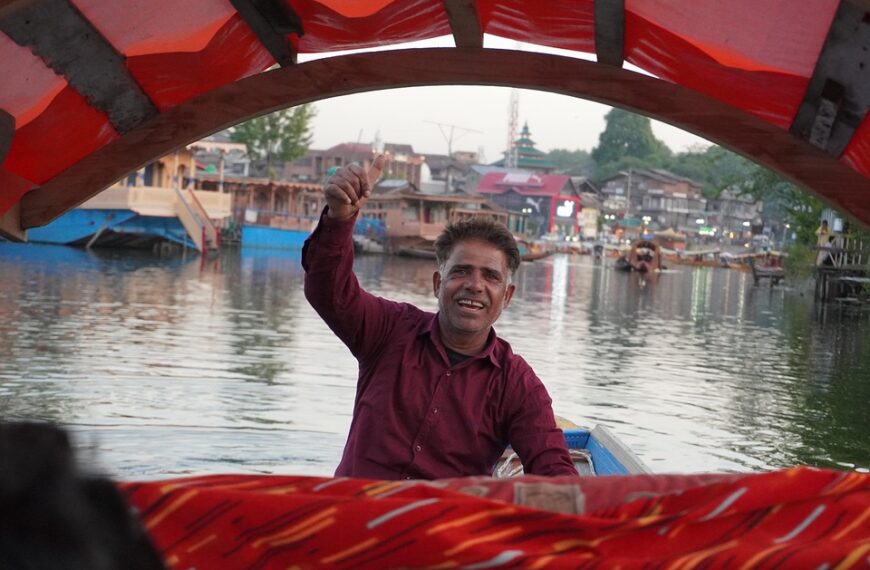
Exploring Wular Lake offers a glimpse into the local lifestyle; traditional fishermen can be seen casting their nets, while the surrounding villages reflect the simple yet rich culture of the Kashmiri people.
The Historic City of Pahalgam
Pahalgam, renowned for its enchanting beauty, is steeped in history. Originally a shepherd’s village, it transformed into a popular tourist destination. The Betaab Valley, just a stone’s throw away, was named after the Bollywood movie “Betaab,” shot in this stunning location.
The nearby ancient temples and the scenic riverbanks make Pahalgam a key historical and cultural site, representing the harmonious relationship between nature and human life.
Gulmarg’s Historical Significance
Gulmarg, known for its lush green meadows and thrilling ski slopes, also has a rich history. The region is known for the ancient temples of Maharani Temple and the old church built during British rule. Gulmarg translates to “Meadow of Flowers,” and its beauty has inspired poets, artists, and travelers for centuries.
The natural beauty combined with its historical landmarks makes Gulmarg an essential part of any journey through Kashmir.
Conclusion
As we conclude our journey through Kashmir’s historical landmarks, we recognize that the region is a living testament to the intricate tapestry of cultures, religions, and traditions that have flourished here over centuries. Each historical site tells a unique story, inviting visitors to explore and appreciate not just the physical beauty of the landscape, but also the rich history and heritage that define Kashmir. From the majestic Mughal gardens to sacred shrines and ancient temples, Kashmir stands as a vibrant canvas of human experience interwoven with nature’s splendor.
FAQs
1. What is the best time to visit Kashmir?
The best time to visit Kashmir is from March to October, when the weather is pleasant and ideal for sightseeing.
2. Are there any guided tours for historical landmarks in Kashmir?
Yes, many travel agencies offer guided tours that cover the major historical landmarks in Kashmir.
3. Is it safe to visit Kashmir?
Yes, Kashmir is generally safe for tourists, but it’s advisable to stay updated on local conditions and follow any travel advisories.
4. Can I visit the Mughal Gardens throughout the year?
The Mughal gardens are typically open all year, but spring and summer are the best seasons to enjoy the blooming flora.
5. What are some local dishes to try when visiting Kashmir?
Don’t miss trying Rogan Josh, Yakhni, and the famous Kashmiri Dum Aloo while visiting Kashmir.

 By
By

 tm15ph says: