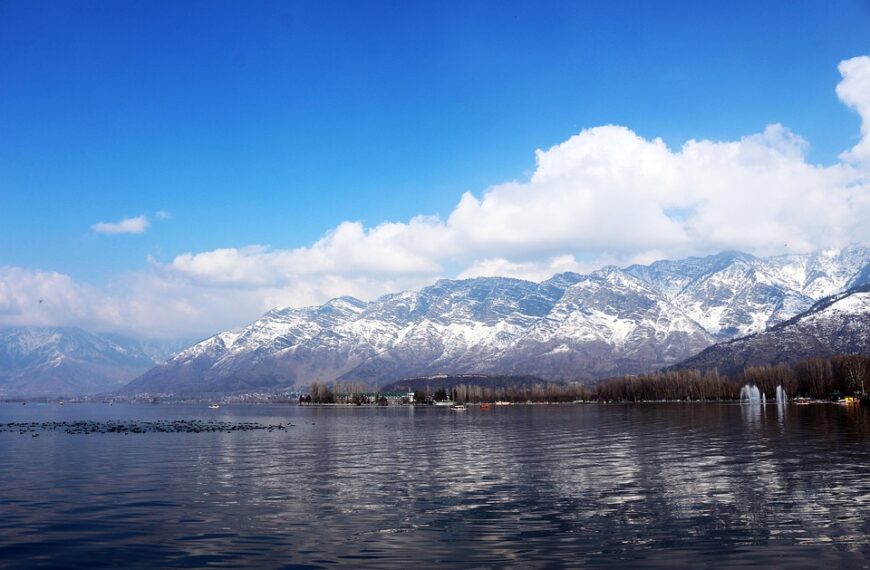

Kashmir, often referred to as “Paradise on Earth,” boasts a rich tapestry of history that spans millennia. Nestled in the northern part of the Indian subcontinent, it has been a melting pot of cultures, religions, and civilizations. This article delves into the historical evolution of Kashmir, exploring its various phases from ancient times to the present day.
Ancient Kashmir
The history of Kashmir can be traced back to ancient times, with mentions in historical texts as far back as 3000 BCE. Originally inhabited by the Dards and other tribal groups, this region was later influenced by both Hindu and Buddhist cultures.
The Age of Hinduism
Between 2000 BCE and 800 CE, Kashmir emerged as a significant center for Hinduism. The reign of the Karkota dynasty (around 7th to 9th century CE) marked a golden age, during which the region witnessed the flourishing of arts, literature, and philosophy. The construction of the famous Martand Sun Temple and the emergence of the legendary philosopher Abhinavagupta highlighted this era.
Spread of Buddhism
Following Hinduism’s prominence, Buddhism began to flourish in Kashmir around the 3rd century BCE. The famous emperor Ashoka is credited with spreading Buddhism throughout the region. The establishment of monasteries and stupas led to Kashmir becoming a significant center for Buddhist scholarship. Notably, the scholar Vasubandhu emerged during this period, contributing immensely to Buddhist philosophy.
Medieval and Mughal Era
The arrival of Islam in the 14th century dramatically transformed the cultural landscape of Kashmir. The region saw the rise of several local dynasties alongside the increasing influence of Sufi saints.
Islamic Influence
Shah Mir, who founded the Shah Miri dynasty in 1339, is regarded as the first Muslim ruler of Kashmir. His reign marked the start of significant socio-political changes. The subsequent rule of the Chak dynasty further consolidated Islamic power. During this time, the syncretic culture flourished, characterized by the coexistence of Hindu and Islamic traditions.
Mughal Rule
Kashmir came under the Mughal Empire in the late 16th century. Emperor Akbar, enamored by the region’s beauty, invested heavily in its development. Magnificent gardens, such as Shalimar Bagh and Nishat Bagh, were created during this time, exemplifying Mughal architecture and landscape design. The Mughals also encouraged cultural exchanges, contributing to a vibrant artistic milieu.
Colonial Period and Modern Era
In the 19th century, after the decline of the Mughal Empire, Kashmir fell to the hands of the Sikhs and later was sold to the Dogra rulers in 1846 as a result of the Treaty of Amritsar.
The Dogra Dynasty
The Dogra rule was characterized by significant socio-economic reforms but also faced resistance from various communities. The legacy of the Dogra dynasty continues to influence Kashmir’s socio-political landscape today.
Post-Partition Turmoil
The partition of India in 1947 triggered a conflict over Kashmir, leading to the first Indo-Pakistani War. This marked the beginning of a contentious dispute between India and Pakistan, which persists to this day. The region was divided into areas administered by both countries: Jammu and Kashmir (India) and Azad Jammu and Kashmir (Pakistan).
Contemporary Kashmir
In recent decades, Kashmir has faced profound political turmoil and civil unrest. The rise of insurgency in the late 20th century complicated matters further, prompting military interventions and heavy political oversight. Efforts towards peace have yielded mixed results, with ongoing dialogues seeking to address the grievances of the people.
Cultural Resilience
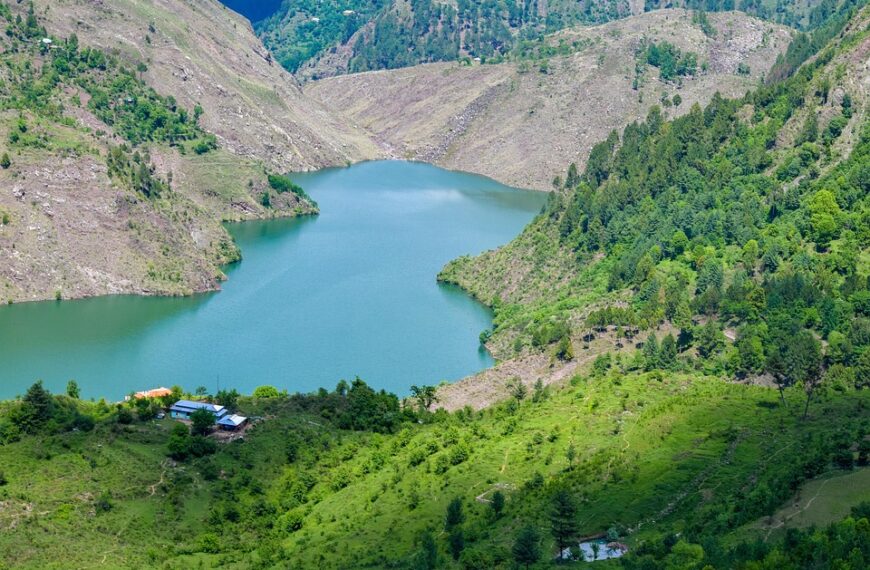
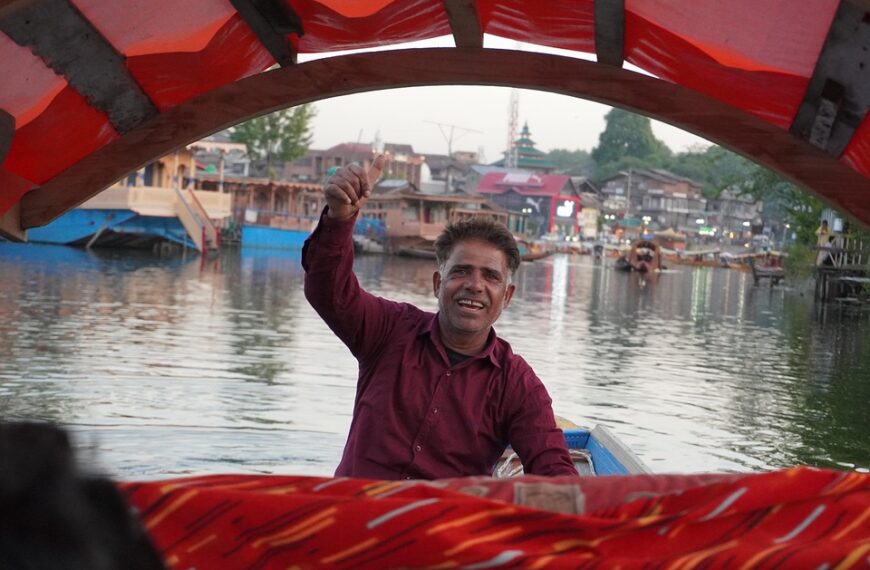
Despite the ongoing conflict, Kashmir’s rich cultural heritage endures. Handicrafts, such as Pashmina shawls and intricate wood carvings, continue to flourish, attracting global attention. The region’s natural beauty, exemplified by its lakes and mountains, remains a source of inspiration and hope for future generations.
Conclusion
Kashmir’s historical journey is a testament to its resilience and the enduring spirit of its people. From ancient kingdoms to contemporary struggles, the region embodies a confluence of cultures and traditions. Understanding Kashmir’s complex history is crucial for fostering peace and reconciliation in its tumultuous future.
FAQs
1. What is the significance of Kashmir in ancient history?
Kashmir was an important cultural and religious center during ancient times, influencing both Hinduism and Buddhism significantly.
2. How did the Mughal Empire impact Kashmir?
The Mughal Empire fostered art and architecture in Kashmir, creating beautiful gardens and promoting cultural exchanges.
3. What led to the conflict over Kashmir post-1947?
The partition of India in 1947, which left Kashmir in a disputed state, led to immediate conflict between India and Pakistan over its territorial claims.
4. What is the current state of affairs in Kashmir?
Kashmir continues to face challenges due to political instability, but efforts toward peace and cultural preservation are ongoing.

 By
By


 12vegascasino says: