
Kashmir, often referred to as “Paradise on Earth,” possesses a rich and multifaceted cultural tapestry that intertwines history, tradition, and heritage. Nestled in the northern part of the Indian subcontinent, it has been a melting pot of various cultures, religions, and languages throughout its long and tumultuous history.
Historical Context
The history of Kashmir dates back to ancient times, with archaeological evidence suggesting human settlement as far back as 3000 BCE. The region has witnessed the rise and fall of numerous empires, including the Maurya, Kushan, and Gupta dynasties. Its complex history has significantly influenced the local culture and heritage.
Throughout the centuries, Kashmir has been a significant center for Buddhist learning, particularly during the reign of Emperor Ashoka. However, the advent of Islam in the 14th century marked a notable transformation in the cultural and religious landscape of Kashmir.
Religious Harmony
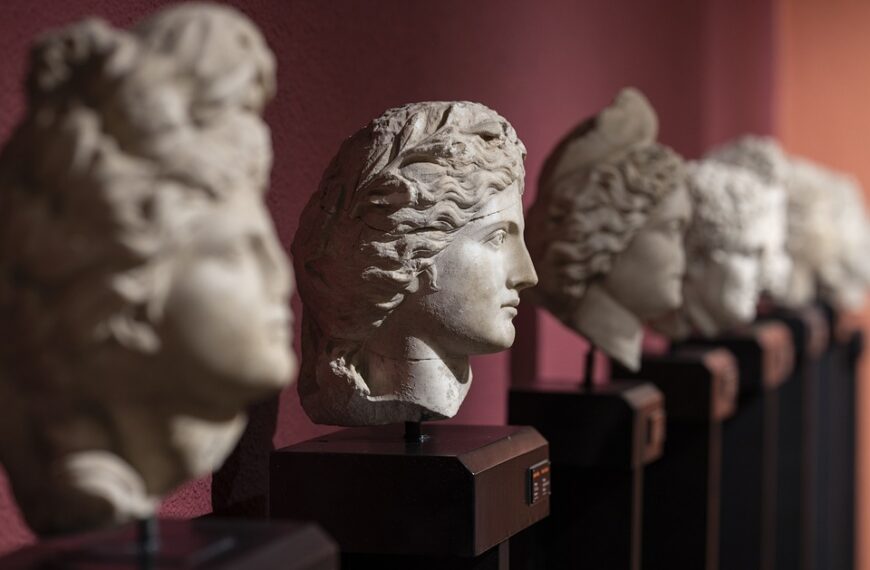
Kashmir is known for its rich religious diversity. The intertwining of Hinduism, Buddhism, and Islam has created a unique atmosphere of harmony and coexistence. Ancient temples, Buddhist monasteries, and mosques dot the picturesque valleys of the region, serving as symbols of its inclusive culture.
Many festivals celebrated in Kashmir, such as Eid, Diwali, and Shivratri, showcase the unity among different communities. The practice of Sufism is particularly prominent, emphasizing love, tolerance, and harmony.
Language and Literature
The linguistic diversity in Kashmir adds another thread to its rich cultural tapestry. Kashmiri, Urdu, and English are the primary languages spoken, each contributing unique literary heritage. Kashmiri literature offers profound insights into the region’s culture, history, and philosophy.
Classic poets and writers like Lal Ded and Zainul Abidin have enriched Kashmiri literary traditions. Their works often reflect the spiritual essence of the land and its people, celebrating the beauty of nature and the depth of human emotions.
Art and Craftsmanship
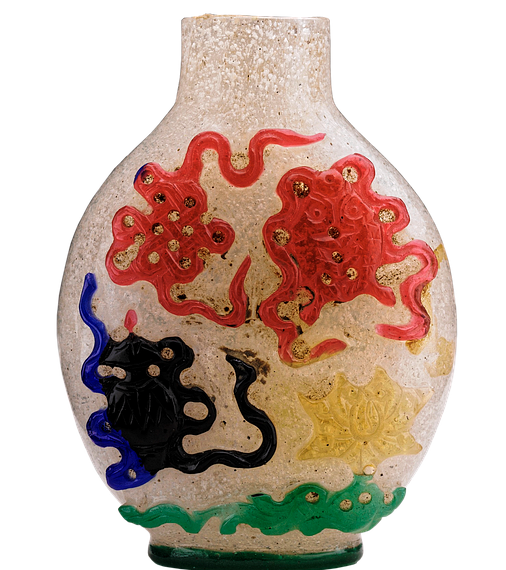
Kashmir is renowned for its exquisite handicrafts, showcasing the artistry and skills passed down through generations. The vibrant Pashmina shawls, intricate carpet weaving, and delicate woodwork are testament to the region’s rich craftsmanship.
Pashmina shawls, made from the fine undercoat of Himalayan goats, are particularly coveted. The process of creating a single shawl can take weeks, reflecting the artisans’ dedication and expertise. These crafts not only provide livelihoods to many families but also serve as cultural symbols that represent the essence of Kashmir.
Cuisine
Kashmiri cuisine is another facet of its cultural heritage, known for its distinctive flavors and unique dishes. The culinary traditions are influenced by three major cultures: Persian, Central Asian, and Indian, culminating in a fusion that delights the palate.
Signature dishes such as Rogan Josh, Yakhni, and Dum Aloo are not merely meals but cultural experiences, often prepared during festive occasions and gatherings. The traditional “Wazwan” feast exemplifies the region’s culinary artistry and social gatherings, highlighting the importance of food as a means of connecting and celebrating community.
Natural Beauty and Lifestyle
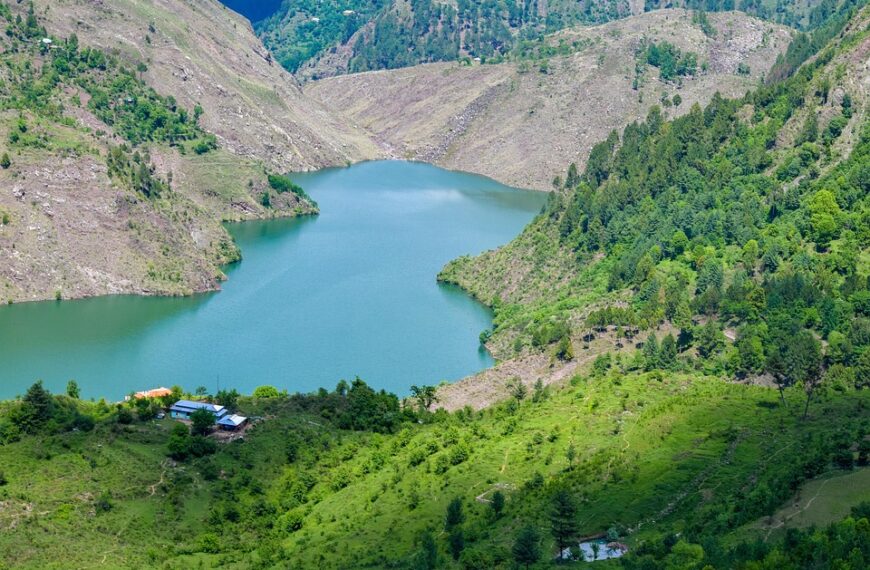
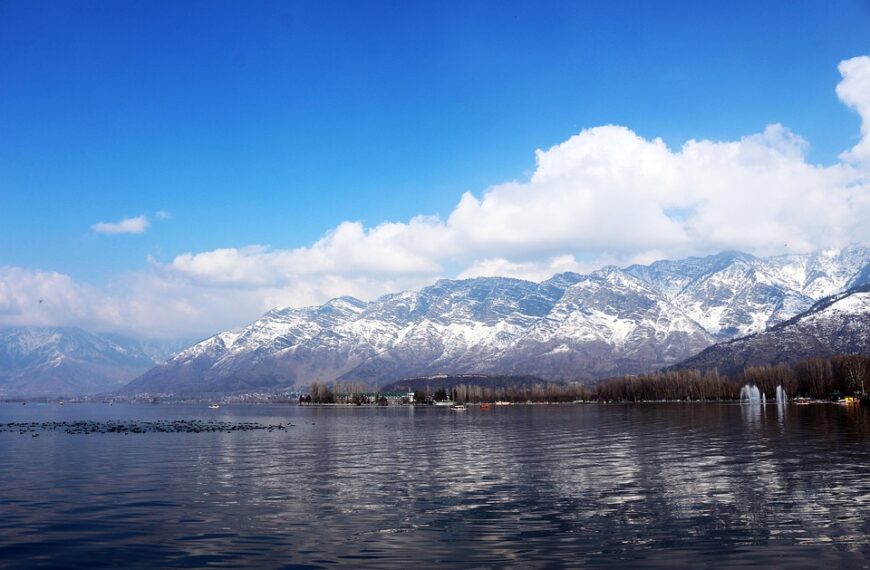
The breathtaking landscapes of Kashmir add to its cultural richness. From the snow-capped mountains to serene lakes and lush valleys, nature plays a vital role in shaping the lifestyle of Kashmiris. The people have a profound connection to their environment, which is often reflected in their art, literature, and daily lives.
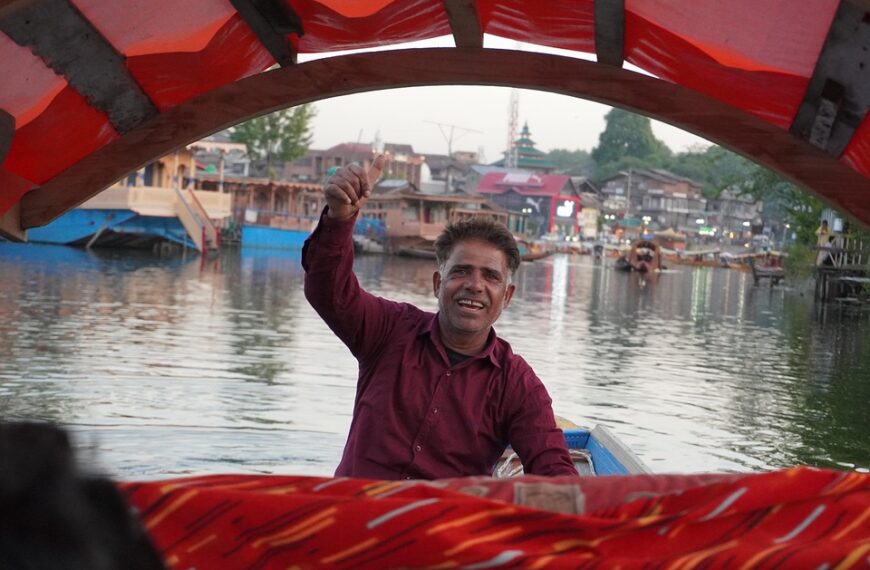
Activities such as houseboat tourism and Shikara rides on Dal Lake enhance the cultural experience, attracting visitors from around the world. The sustainable lifestyle and respect for nature have also contributed to the enduring beauty of the region.
Conclusion
The cultural tapestry of Kashmir is woven with threads of history, tradition, and diversity. This beautiful region stands as a testament to the power of heritage and craftsmanship while embracing religious harmony and a lifestyle that connects deeply with nature. Despite facing challenges, the essence of Kashmir’s culture continues to thrive, inviting the world to appreciate its unique story.
FAQs
1. What are the main religions practiced in Kashmir?
Kashmir is primarily inhabited by Muslims, but Hinduism and Buddhism also have significant historical and cultural influences in the region.
2. What is Pashmina, and why is it famous?
Pashmina refers to a type of fine cashmere wool that is used to make luxurious shawls. The intricate weaving techniques make Pashmina products highly sought after globally.
3. How does Kashmiri cuisine differ from other Indian cuisines?
Kashmiri cuisine is characterized by its use of spices and cooking techniques influenced by Persian and Central Asian cultures, with a focus on meat dishes and traditional feasts known as Wazwan.
4. Are there any significant festivals in Kashmir?
Yes, prominent festivals include Eid, Diwali, and Shivratri, all of which reflect the region’s cultural and religious diversity.
5. Why is Kashmir considered a ‘Paradise on Earth’?
Kashmir is called ‘Paradise on Earth’ due to its stunning natural beauty, including mountains, rivers, and valleys, that captivate visitors and locals alike.


 By
By